
Most large affiliate sites do not have a traffic problem. They have an inventory problem. Rankings hold, archives grow, and link sprawl spreads across hundreds of posts nobody can audit in an afternoon. Revenue per click drifts because the team cannot see which partners perform, which mentions stay unmonetized, or which products went out of stock last week.
I run Listen
Updated 2026.
1The Operator Snapshot
LMM is a substantial affiliate operation in a crowded niche. Personal finance publishers compete for the same credit cards, brokers, and budgeting tools. The difference is not always audience size. It is which partners convert for your readers and whether you can roll those winners out sitewide before a competitor does.
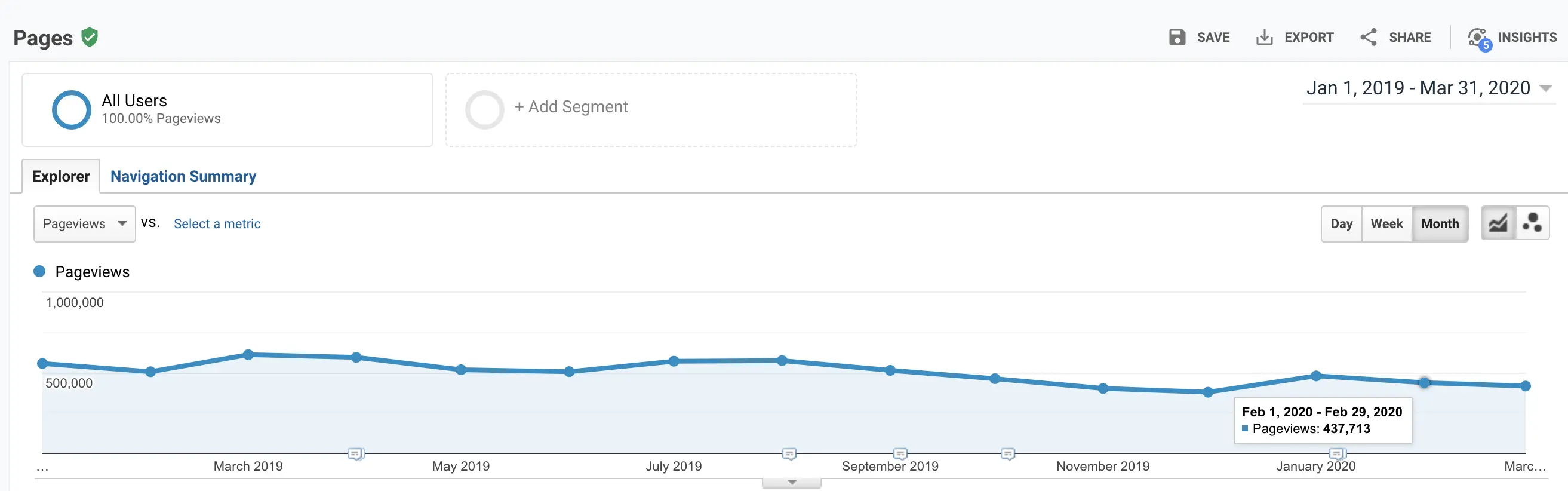
We publish articles, run a podcast, and maintain resource pages that other sites copy (more on that later). Traffic was never the bottleneck. Conversion per click was. We had thousands of affiliate links and no single place to manage them.
2The Struggles of a Large Affiliate Site
LMM is a substantial affiliate site with a lot of links. In the past, I had tried plugins like SimpleURL, which only cloaked my links. I had no idea where they were or if they were monetized with my partner sites. I had to let the team know which links to use, the products to promote, always watching what was being published. I would catch issues and then update them on how to approach things going forward.
It was cumbersome to announce to the team every time we created (or lost) an affiliate relationship and what we should be focusing on.
That workflow does not scale. For operators building at scale, affiliate link management is the layer that sits between content production and commission checks. Without it, every new writer becomes another person who might paste the wrong tracking URL into a post that already ranks.
In the personal finance space, many companies offer similar products to Listen

The Listen
My team didn’t have a process for improving affiliate link clicks or commissions. We had to take wild guesses and occasionally landed on the right things. However, we rarely understood why. We were able to get some click data in Google Analytics and started to learn things like age groups that would perform well with specific affiliates. But that was all we knew.
We could see that certain age cohorts clicked specific affiliate categories more often. That was useful. It was also incomplete. We still could not tie display type, placement, or partner choice back to revenue in a way the whole team could act on. We were optimizing anecdotes, not systems.

Earn Trust and Get More Clicks
Lasso lets you showcase your affiliate links in beautifully designed displays. When your visitors see a descriptive product box, they’re more likely to click because they know where they’re going.
3The Team With The Right Tools
After seven years of running and growing the site, it became harder to manage. With thousands of affiliate links and no way to control them, I struggled to increase my affiliate revenue.
The shift happened when I stopped treating links as a per-post task and started treating them as site inventory. One product mention in a 2016 roundup and the same product in a 2024 comparison should not require two separate maintenance workflows. They should share one link object, one display, one update path.
After searching for a solution to my problem, I had this to say about Lasso:
It was the only tool letting me manage my inventory of monetized links from a single dashboard without having to dive into specific articles.
It allowed my team to focus on creating great articles while I focused on making sure what they create earns
My team and I operate another significant affiliate website that’s huge during Christmas, and things sell out all the time. Before Lasso, we played a whack-a-mole game trying to guess which affiliate links were out of stock on Amazon. But now we’re immediately alerted when things run out, can keep articles up-to-date, and
Seasonal inventory breaks affiliate revenue in ways analytics dashboards rarely surface until the quarter is over. A reader lands on a gift guide, clicks a dead product link, and leaves. You lose the commission and the trust. Automated out-of-stock alerts move that fix from “eventually” to “today.”

The Listen
4Double the Affiliate Revenue
This turnaround happened quickly. I saw noticeable gains in affiliate link click-through rates and conversions after installing Lasso. That said, it hasn’t been a silver bullet. I said, “text links work great in some scenarios, and rich displays work great in others.” We used Lasso’s Google Analytics integration to learn how to make the best use of each.
That split matters more than most publishers admit. Contextual text links inside a narrative review still win when the reader is mid-argument and ready to click. Visual displays win when someone is scanning a toolbox page or comparing three brokers in a table. We wrote about the display side of that equation in our guide on using a secondary CTA to improve conversion rates. The infrastructure lesson is the same: give the reader the right format for the moment, then measure which format paid off.
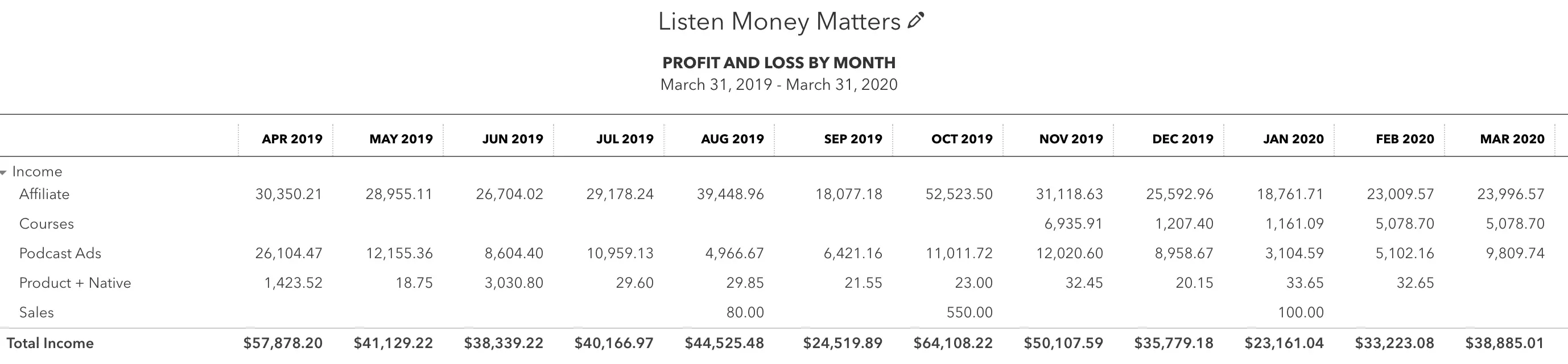
After using Lasso for about two months, my team and I were able to more than double our affiliate revenue by understanding which partners performed best (and rolling them out site-wide). We also used Lasso to find unmonetized mentions of existing partners and built new relationships we immediately monetized across the entire website.
The partner rollout was the quiet multiplier. We already had traffic hitting pages that mentioned brands we were not fully monetized with. Opportunities surfaced those gaps. Fixing them once propagated the better link everywhere that domain or keyword appeared. That is compounding revenue without compounding content workload.
We also tightened how we think about conversion benchmarks sitewide. Our post on affiliate marketing conversion rate covers the baseline metrics worth tracking once your inventory is visible. You cannot improve a number you never measured against peers.
Plus, The Listen
There aren’t any advanced tools out there compared to Lasso. Everything feels like it was built ten years ago for entry-level websites. Those tools were great when starting, but growth would’ve been quicker if I had integrated a pro-level tool like ours earlier.
For operators at our scale, the implication is clear: traffic buys optionality, but link infrastructure determines how much of that traffic turns into commission. We did not need more posts to double affiliate revenue. We needed visibility, alerts, and a way to push winning partners across an archive we had already built.
5What This Means for Your Site
If you are publishing into an archive you cannot audit in a single afternoon, the bottleneck is probably not content quality. It is link inventory. Start with unmonetized mentions on pages that already rank, then fix out-of-stock and broken links before you chase new traffic.
Run an Opportunities scan on your site to find domain and keyword mentions you can

Matt Giovanisci
Matt Giovanisci has been a self-employed online business owner for over a decade building four profitable websites along the way. His #1 rule is to have fun, make money, and ignore "best practices." Ok, so three rules.