Starting an automotive blog? There's a lot to figure out at first: picking a domain name, setting up WordPress, and creating your first post. But once you’ve got those basics down, it’s time to dive into how to monetize your automotive blog.
Trust me, this will be the most exciting part of your blogging journey!
Whether you're just starting out or you've been sharing your automotive passion for a while, there are plenty of ways to turn your blog into a money-making machine. Let’s break down each method.
Why You Can Trust Our Automotive Blog Monetization Guide
Lasso is installed on over 8,000 websites, including many automotive blogs.
Our team has built multiple 7-figure blogs in a wide range of niches.
We have hands-on experience working with founders to grow and monetize their automotive blogs.
1. Affiliate Marketing
Affiliate marketing is the best monetization method for automotive bloggers because it hits the sweet spot between time investment and earning potential.
Affiliate marketing is a form of advertising where a publisher (the site owner) links to a product in their content and earns a commission from the advertiser (the affiliate program) if readers click on that link and make a purchase.
TIP: With all monetization methods, the rule of thumb is the easier it is to accomplish, the less money you can make, and vice versa.
Also, since you can add links to your existing content, it’s the perfect method for beginners. You’ve already written content, so you’ve already done the hard part.
How to Start Affiliate Marketing for Automotive Bloggers
If you're diving into the automotive blogging niche, there are some great affiliate products to consider. Here are various options to help you monetize your content effectively.
The following are some popular affiliate product categories:
- Car Care Products: Promote great waxes, polishes, and detail kits that car enthusiasts love.
- Tools and Accessories: Highlight essential tools like tire inflators, oil change kits, and more.
- Automotive Parts: Link to websites offering replacement parts or upgrades for vehicles.
- Performance Enhancements: Introduce products like aftermarket exhaust systems or tuners that boost engine performance.
- Car Gadgets: Recommend tech items such as dash cams, GPS systems, or Bluetooth car kits.
- Insurance Comparisons: Partner with companies that provide car insurance services, offering easy comparisons for readers.
- Memberships and Subscriptions: Suggest services like roadside assistance or vehicle maintenance subscription plans.
By promoting these types of products, you can tap into a wide range of audiences and their interests. Here are some reasons why affiliate marketing in this niche makes sense:
- Diverse Audience: Everyone needs vehicle care, from casual drivers to hardcore enthusiasts.
- Higher Price Points: Automotive products can often lead to larger commissions compared to other niches.
- Recurring Revenue: Some services, like insurance or subscriptions, provide ongoing commissions.
- Passion-Driven Purchases: Car lovers are often willing to spend on quality products.
- Seasonal Sales: Automotive needs can fluctuate seasonally, providing diverse income opportunities throughout the year.
Once you’ve identified which products will solve problems for your readers, you need to sign up for their affiliate programs.
You should start by joining the Amazon Associates affiliate program.
Most physical products in the automotive niche will be available on Amazon, and the conversion rate on Amazon is insane.
Yes, Amazon’s commission rates are rough, and they only offer a 24-hour cookie duration, but the conversion rate makes up for it. Plus, you’re nearly guaranteed to get accepted into their program.
For products that aren’t available on Amazon, just Google “[Product] affiliate program,” and you’ll find their program’s signup page.
To save you some time, here are a few of the best affiliate networks for automotive bloggers:
-

Commission Rate: 50% Per Sale
Cookie Duration: 30 Days
Travelpayouts helps publishers earn on all types of travel services, including flight tickets, accommodation, cruises, tours, car rentals, insurance, and much more.
-
Commission Rate: 1.6% Per Sale
Cookie Duration: 30 Days
AutoZone is the largest retailer of automotive replacement parts and accessories in the US. They even offer free next day delivery on parts.
-
Commission Rate: 4% Per Sale
Cookie Duration: 1 Day
Avis is recognized as one of the best rental car brands and they maintain it by ensuring a stress-free car rental experience.
TIP: We maintain a database of the best affiliate programs. Click here to see the best automotive affiliate programs.
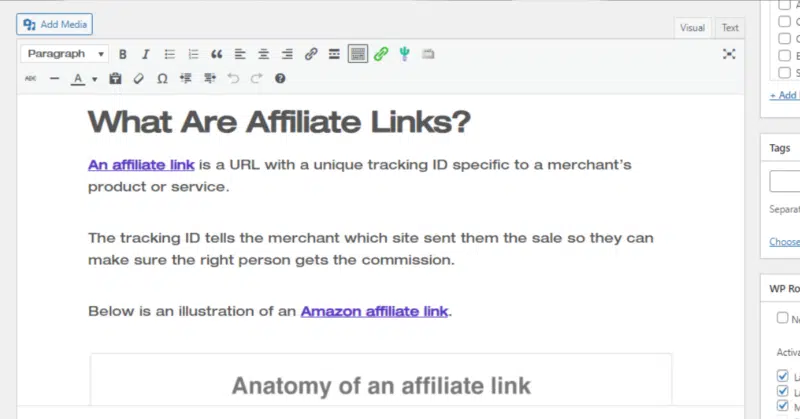
Once you’ve been approved for the product’s affiliate program, the program will give you your affiliate link, and you can start inserting it into your content.
How To Monetize A Automotive Blog With Affiliate Marketing
To add your link to your content, go to your post editor, highlight the relevant text, and insert the link.
Here are a few best practices for adding affiliate links to your WordPress blog:
- Add links where it’s helpful. Adding too many links to your blog posts is just like adding too many ads; it’s annoying. Add links to product titles, images, CTA buttons, and the first time you mention a product. That’s plenty.
- Disclose your links. Every blog post with affiliate links should have a disclaimer at the beginning, and every CTA or product image should also.
- Use direct sales language. When you are writing your call to action, be direct. It’s not rude to say, “Check the price” or “Buy this product today.” Being too passive makes you look unconfident.
Or, take it a step further by creating product displays.
You Can Double Your Affiliate Sales With Lasso Displays
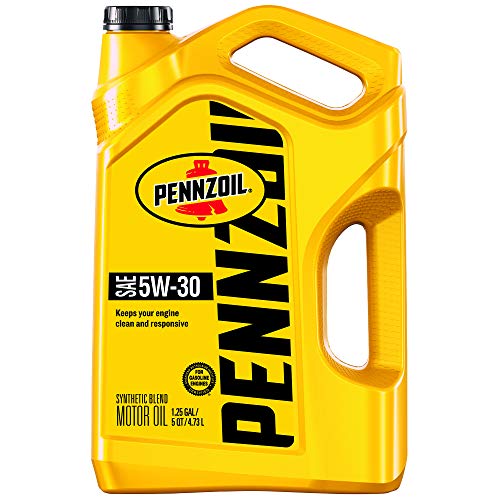
You can create displays manually using the post editor to add links to images and buttons.
However, it can be time-consuming to create these displays and keep them updated if you’re doing it all by hand.
Luckily, monetizing your blog with affiliate links is simplified when you’re using a tool like Lasso.
Lasso makes it super easy to add links and product displays to your posts. You can add product displays to posts right from the post editor; no coding is required. It’s as simple as clicking your mouse three times.
You can also automatically import product info from retailers like Amazon. Just paste the link into the Lasso dashboard, and Lasso will populate the display with the product title, image, and price.
With all of this, remember to follow the guidelines in the affiliate program’s terms and conditions. Amazon, in particular, is pretty stringent.
But everything Lasso does is compliant with Amazon Associates’ TOS, so you never have to worry about being booted from the program.
That’s just scratching the surface of what Lasso can do to help you monetize your automotive blog. If you’re ready to start making a serious affiliate income from your automotive site, sign up for Lasso today.

A WordPress plugin that lets you add, manage, and display your affiliate links from any program, including Amazon. Increase conversions. Find new affiliate link opportunities. Earn more revenue! Less than 5 minutes to set up.
Affiliate Marketing Pros and Cons for Automotive Bloggers
Affiliate marketing can be a great revenue stream for automotive bloggers. It offers a way to monetize your passion for cars while sharing products you genuinely believe in. This means you can earn commissions through product referrals, which can lead to a nice side income or even full-time earnings if you're dedicated.
However, it's not all smooth cruising. One major drawback is the competition in the automotive niche. There are countless bloggers and influencers vying for attention, so standing out can be challenging. Additionally, the commission rates can vary significantly, and some programs might not pay off well. It often takes time to build trust with your audience before they start clicking on your links.
Another thing to consider is the need for continuous content creation. You'll need to keep your audience engaged by posting regular reviews and recommendations. This can be time-consuming, especially if you’re trying to stay current with trends or automotive technologies. Balancing this with your regular blogging efforts can be tricky, but it can pay off with savvy strategies.
Lastly, partnerships and sponsorships play a vital role. Working with reputable brands can enhance your blog’s credibility. However, if those partnerships don't align with your values or your reader's interests, it can hurt your reputation. Always choose brands carefully to ensure authenticity.
2. Display Ads
The second best way to monetize your automotive blog is with display ads. Ads are the internet's favorite monetization method, but they have severe drawbacks.
How to Monetize a Automotive Blog With Display Ads
Monetizing a automotive blog with display ads couldn’t be easier.
First, choose an ad network to join. Networks have traffic requirements, so here are the best ad networks to join based on your site’s page views:
- 100,000+ Visitors per month - Raptive
- 50,000+ Sessions per month - Mediavine
- < 50,000+ Visitors per month - Ezoic
NOTE: WordPress is an open-source software found on WordPress.org. WordPress.com is a premium blogging platform, but you never need to pay to install WordPress on your website, even if it’s self-hosted.
Once you’re accepted to an ad network, follow their instructions to integrate their ads into your site. They will have documentation for every type of content management service (WordPress, Joomla, Ghost, etc.).
If your chosen ad network has a dedicated accounts manager, they will guide you through getting their ads on your site.
And… that’s it. Let the ads run and wait for your deposits to hit your account.
TIP: Optimize your display ads for user experience by using your chosen network’s software settings or talking to your account manager. Keep the ads in the sidebar and footer whenever possible.
You’ll make a lot of money in the long run if you put your readers ahead of quick profit.
Display Ad Pros And Cons For Automotive Bloggers
Display ads can be a mixed bag for automotive bloggers. On the plus side, they can provide a steady stream of income. If your blog gets decent traffic, choosing the right ad network can really pay off. You don’t need to push products; just let the ads do their work while you focus on your content.
However, there are downsides to consider. Display ads can clutter your site and distract readers from your posts. If the ads don’t align with your audience's interests, they might even turn visitors away. Plus, load times can increase, which isn’t great for user experience or SEO.
Another factor is ad management. It can be time-consuming to choose the right ads, track performance, and make adjustments. If you're not careful, the wrong placements can diminish the quality of your blog. Finding that balance is crucial for maintaining a loyal readership.
In the world of automotive blogging, quality content must always come first. If you choose to go the display ad route, make sure they add value. Strive for a seamless integration between your content and those ads to keep your audience engaged.
3. Digital Products
Selling your own digital products is a great way to increase your earnings per visitor in the automotive niche.
A digital product is anything you can sell on your automotive blog that the customer will receive via download.
Digital Products to Sell on an Automotive Blog:
- eBooks: Create easy-to-understand guides about car maintenance, choosing the right vehicle, or DIY repairs.
- Online Courses: Offer crash courses on car repairs, customization, or driving skills. Video tutorials are a hit!
- Printable Checklists: Help your readers keep their cars in top shape with maintenance schedules or pre-road trip checklists.
- Membership Access: Build a members-only community for exclusive tips, forums, and expert Q&As.
- Automotive Merchandise: Sell digital artwork or car-themed designs for wallpapers, stickers, or posters.
A lot of people search for simple checklists and guides related to different topics. They’d happily pay you for them.
Pros and Cons of Selling Digital Products for Automotive Bloggers
Selling digital products as an automotive blogger can be a game-changer. For starters, the startup costs are low. You don’t need a physical storefront or inventory. Just create your product, like ebooks, guides, or even video courses. Once it's up, you can sell it repeatedly, generating passive income with minimal effort.
On the flip side, competition can be tough. Many bloggers are venturing into digital products, making it harder to stand out. You’ll need a solid marketing strategy to grab attention. Plus, creating quality content takes time and expertise, especially in the automotive niche, where misinformation can hurt your credibility.
Another pro is the control you have over pricing and distribution. You can easily adjust prices based on demand or seasonal trends. Additionally, online platforms make it easy to automate sales and delivery. However, keep in mind that building and maintaining a loyal audience is crucial. Without it, even the best products may struggle to sell.
Lastly, customer feedback can be a double-edged sword. Positive feedback can enhance your reputation, but negative reviews can spread quickly. Be prepared to handle criticism and use it to improve your offerings. In this digital landscape, staying adaptable and responsive is key to long-term success.
How To Monetize a Automotive Blog By Selling Digital Products
The first thing to do is create your digital product.
Look at which content your audience interacts with the most, and brainstorm digital products to help serve their search intent.
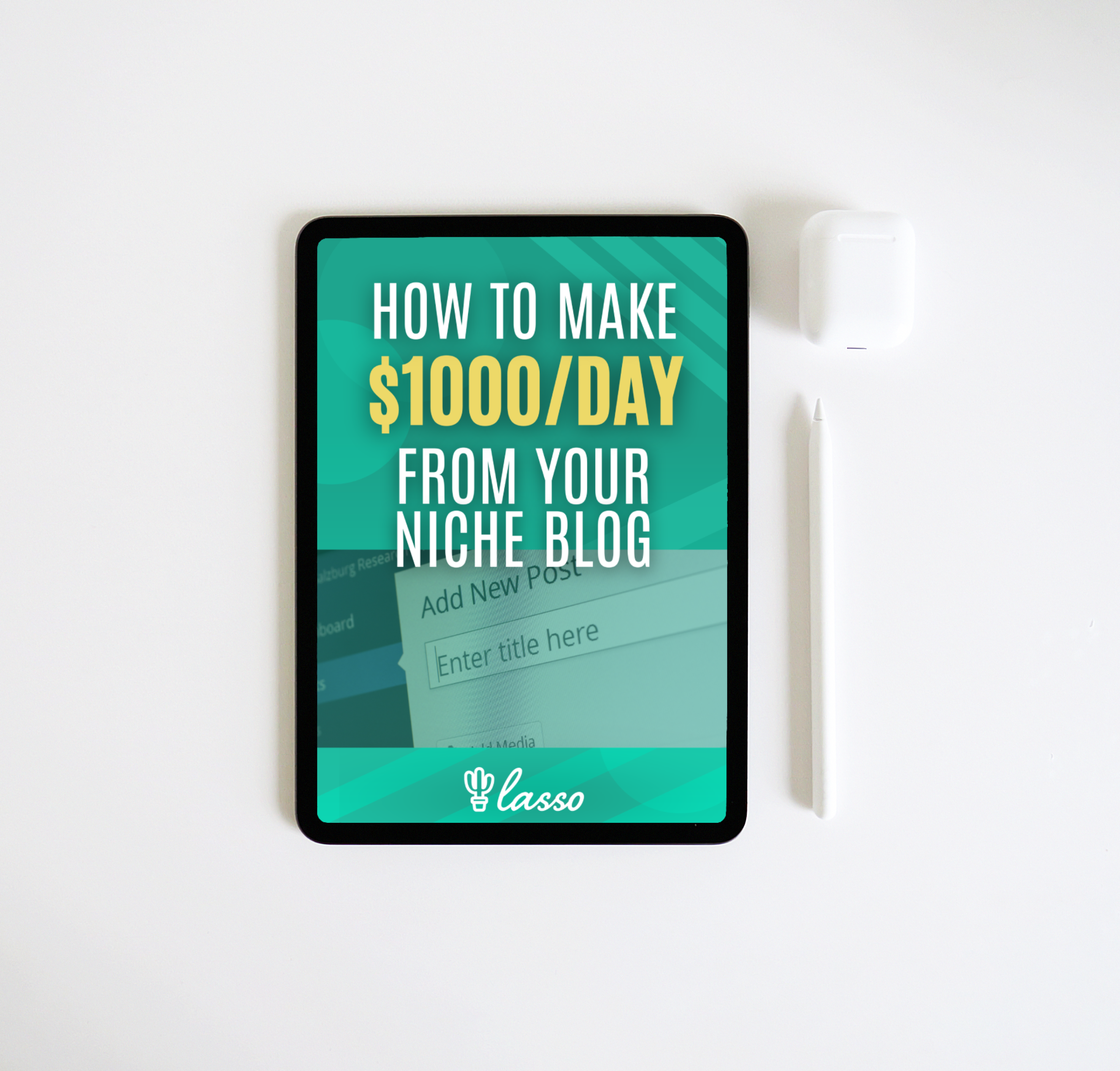
That’s what I did when I created our Ultimate Blogging Guide:
Get Your FREE 20-Page Guide To Making $1000/Day From Your Niche Blog
Then, create the product using whatever tools are at your disposal. For example, use Microsoft Word to create an ebook PDF, or Google Sheets to create interactive spreadsheets and checklists.
Next, you have to figure out how to distribute your product. The easiest way to distribute PDFs is by uploading them to your WordPress media library. Then you can give customers the link, and they can download the PDF from there.
Lastly, you’ll have to set up payment processing and order fulfillment. A plugin like Woocommerce can automate most of this, but you’ll have to tie it to a processor like Stripe or PayPal.
Woocommerce can even connect to an email tool like ConvertKit, so as soon as your customer finishes their checkout, they’ll get an email with a link to their download.
TIP: You can still use Lasso to get more clicks to your digital products. Just create a Lasso display with the link pointing to your product’s sales page.
Barring any issues, you won’t have to do anything but watch your bank account grow.
4. Email Newsletter
One effective way to monetize a automotive blog is by creating an email newsletter. This method allows you to build a loyal audience and engage with your readers on a more personal level. Let's explore how to monetize a automotive blog with an email newsletter and the pros and cons of email marketing for automotive bloggers.
How to Monetize a Automotive Blog with an Email Newsletter
Email newsletters are a powerful tool for automotive bloggers. They allow you to engage directly with your audience, delivering content straight to their inbox. This can be used to share special offers, automotive news, product reviews, and personalized recommendations, which ultimately drives traffic and boosts monetization. Using an email list builds a loyal community that will keep coming back for more.
To monetize your automotive blog through an email newsletter, start by creating a compelling lead magnet. This could be an exclusive eBook about car maintenance tips or a checklist for choosing the right vehicle, which you offer in exchange for their email addresses. Once you have a growing list, you can segment your audience based on their interests, such as classic cars or electric vehicles, and tailor your newsletters to provide relevant content.
Next, consider including sponsored content or affiliate marketing links within your newsletters. Automotive brands and retailers are always looking for effective ways to reach potential customers. By collaborating with these brands, you can offer exclusive deals in your newsletters, or feature articles that promote products relevant to your audience's interests, earning you commissions on their purchases.
Additionally, using your email newsletters to promote your blogging content is key. Always drive traffic back to your blog posts, where you can have additional monetization methods installed, such as ads or product sales. An engaged reader is more likely to explore further and support your efforts by clicking on ads or purchasing recommended items.
Pros and Cons of Email Marketing for Automotive Bloggers
- Pros:
- Direct Communication: Reach your audience directly with tailored content.
- Loyal Community: Build a dedicated follower base that regularly engages with your content.
- High ROI: Historically, email marketing has one of the highest returns on investment in digital marketing.
- Segmentation: Target specific audiences based on their vehicle preferences and interests.
- Cons:
- List Management: Building and maintaining your email list requires time and effort.
- Compliance Issues: Stay informed about regulations like GDPR for data protection.
- Deliverability:** Achieving high open rates can be challenging, especially in crowded inboxes.
- Content Fatigue: Subscribers may lose interest if content doesn’t deliver consistent value.
5. Consulting and Coaching Services
Consulting or coaching is exchanging your expertise and time for a fee. Your customers need an expert, and you’ve proven yourself to be that expert.
As you become an authority in the industry, people will reach out to you with questions about topics they consider you an expert in.
Now, you don’t have to charge for being helpful, but you should place a dollar value on your time.
As a automotive blogger, you extensive knowledge of the industry. If a reader reaches out to you asking for help, you should get paid for that effort.
How To Monetize A Automotive Blog With Consulting Services
Monetizing a automotive blog with consulting services is similar to selling sponsored posts.
Put a “Coaching” option in your nav bar that goes to a landing page outlining your consulting services and your hourly rate. This will help head off some of the people looking for free advice.
TIP: Again, you can use Lasso to drive more clicks to your coaching pages. Just create a Display with a link to your sales page, and insert it into blog posts.
Then, wait for requests to come in, evaluate them, and propose your offer. If the customer accepts, send them an invoice using PayPal or another payment processor, and schedule the call.
Pros and Cons of Selling Consulting Services for Automotive Bloggers
When it comes to selling consulting services for automotive bloggers, there are definitely some upsides. First off, you're tapping into a niche market. Many bloggers want expert advice but lack the resources. By offering your insights, you can establish authority and potentially cultivate a loyal client base.
On the flip side, the competition can be fierce. There are plenty of seasoned consultants out there. Gaining traction may take longer than expected. Plus, some bloggers might be hesitant to pay for advice, especially if they believe they can find free information online.
Another pro is the flexibility it offers. You can set your own hours and determine your workload. This means more time to focus on what you enjoy, like writing or gathering insights. However, managing clients can become overwhelming, especially if you struggle to find a balance between consultancy and your blogging duties.
Lastly, selling consulting services can boost your credibility. You’ll become a go-to source for guidance in the automotive blogging space. Still, with that recognition comes responsibility. You'll need to ensure you stay updated with industry trends to provide fresh, accurate, and valuable advice.
Supercharge your earnings with Lasso. Create no-code product Displays and Tables that convert, find and fix broken links, and gain valuable business insights with revenue analytics.
Learn MoreAutomotive Blog Monetization FAQs
What Is The Best Way To Make Money From Automotive Blogging?
If you want to build a successful automotive blog, then affiliate marketing is the best way to monetize it. It’s the least intrusive way to make a lot of money from your site without much extra effort.
Can I Make A Full-Time Income From Automotive Blogging?
Absolutely! Some automotive blogs, like Motor Trend and Autoblog get hundreds of thousands of monthly visitors. That’s enough for a full-time income for a small team of people.
How Do I Start a Automotive Blog?
Learning how to start a automotive blog is the first best way to use your expertise to start an online business.
You need to register a domain, install WordPress, and publish great content. It's a lot of work, but totally worth it!
How Do Automotive Bloggers Get Paid?
Most automotive bloggers make money through affiliate commissions and advertising fees. Both of these monetization methods pay out one or two months after the fees have been generated.
Some automotive bloggers also sell sponsored posts, consulting services, or their own products. In these cases, a payment processor like PayPal or Stripe is necessary.
Is Automotive Blogging Easy?
Nothing worth doing is truly easy, but that doesn’t mean automotive blogging isn’t fun.
As a automotive blogger, you’ll get to go places, try new things, and meet new people. And it will be part of your business! What could be cooler than that?
Is It Worth Starting A Automotive Blog?
It’s absolutely worth it to start a automotive blog. Not only can you make a living from it, but you can also build a community and control the conversation.
Once you’re an established authority, people in automotive-related industries will take you seriously.
Final Thoughts on Monetizing a Automotive Blog
Congratulations! You’ve learned some great ways to monetize your automotive blog step-by-step.
Now, here’s a bonus tip for you: embrace multiple monetization methods!
Diversifying your income is key to keeping your blog secure.
If you’re using affiliate offers, display ads, and even selling your own products, you’ll be ready for anything. If Amazon cuts its commission rates, you won’t be left high and dry.
With this diverse approach, a little hard work, and some smart planning, you’re well on your way to earning what your blog truly deserves.
Why You Should Trust Our Automotive Blogging Content
You may be thinking, "that's all great, but what does Lasso know about automotive blogging?"
Quite a lot, actually.
Here's why you can trust our process for building a successful automotive blog:
We've Built Wildly Successful Blogs
Lasso is built for affiliate marketers, by affiliate marketers. We're not gurus; we've walked the walk.
Our team members have built multiple blogs from the ground up, some of them earning over seven figures in revenue.
We put that experience into every guide we write, so you can trust we're giving you a process that works.
We Talk To Automotive Bloggers Every Day
Lasso's WordPress plugin is installed on over 8,000 websites, including a lot of automotive blogs.
Our team supports those bloggers every day as they create awesome content and earn lots of money.
These communications give us a bird's-eye view of what's new in the automotive industry. We take that information and use it to keep these guides as up-to-date and accurate as possible.
We're Super Nerds
We've put a lot of company focus into learning everything we can about blogging, affiliate marketing, SEO, and anything to do with online entrepreneurship.
We attend conferences, collect high-level contacts, read tons of books, and distill all of that information into our content. We pass information onto you that was previously only available to industry insiders.