
Most publishers treat affiliate marketing as a collection of one-off tactics. Drop a link, hope for a click, move on. That mindset caps revenue early. The operators who compound affiliate income treat links, content, and audience trust as infrastructure.
We’ve spent over a decade building seven-figure niche sites. The tips below are what we used (and what we’ve seen customers pull off) to get more readers consuming content, clicking affiliate links, and building durable online businesses.
Updated 2026.
1Affiliate Marketing Tips That Scale
Affiliate marketing is easy to learn and hard to master. You need copywriting, content creation, and SEO working together. These are the affiliate marketing tips we return to when earnings plateau or traffic grows faster than monetization.
1. Make Sure Your Product Mentions Are Monetized
You spend hours weaving product recommendations into content. Then you forget the affiliate link. We’ve seen it across hundreds of sites: forgetfulness at volume, or fear of sounding too salesy. Either way, it’s lost revenue.
Don’t be afraid to sell. When you help readers solve a problem with a genuine recommendation, an affiliate link belongs there.
A faster fix: search your archive for keywords you mention but haven’t monetized. Say you’re a ConvertKit affiliate and already linked the brand name, but you also write about “email marketing” dozens of times without a link.
Run an Opportunities Scan in Lasso. Head to Opportunities > Keywords and type your term.
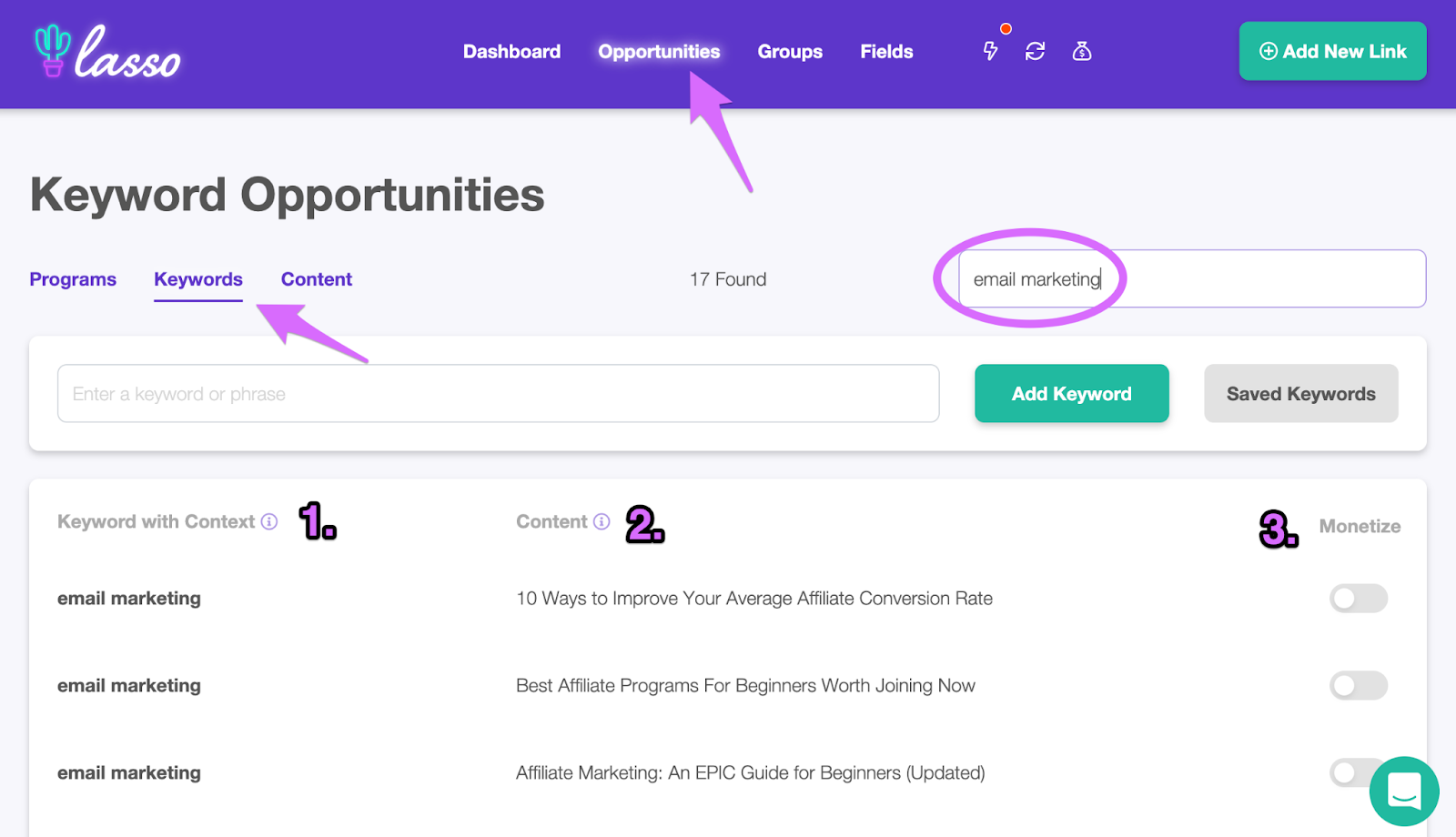
Lasso scans your site for every mention, shows the keyword in context, and lets you
2. Track Clicks So You Can Double Down On What’s Working
If you don’t know what’s converting, you can’t improve it. What gets measured gets managed.
Tracking clicks lets you measure what’s working, estimate monthly income, and test new programs. We use it to see which products readers prefer, gauge engagement, and spot underperforming links. Continuous testing is how you make forward progress.
Watch conversion rate, click-through rate, and earnings-per-click. In Google Analytics, head to Behavior > Events > Pages.
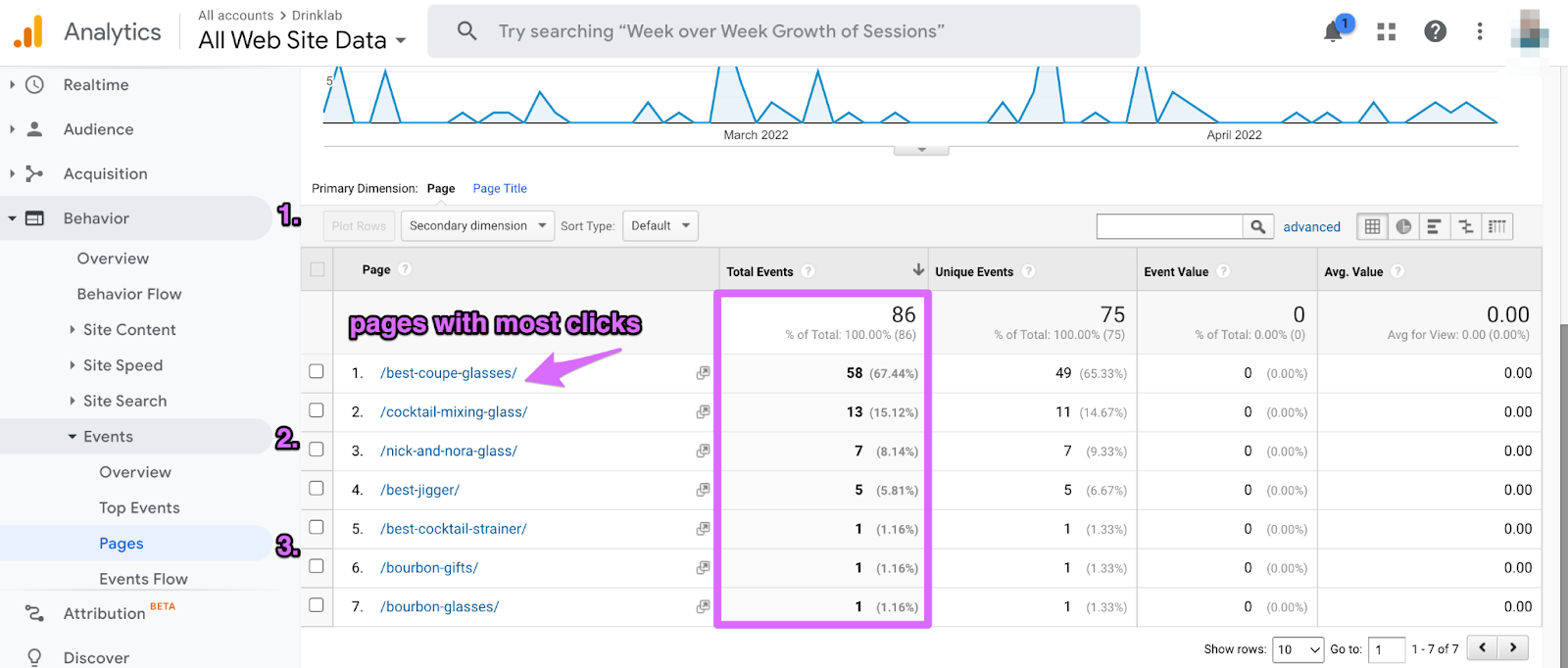
The interesting part is post-level data: which links inside a single article get the most clicks. On list posts, reorder items so high-click products move to the top. Low performers get replaced or pushed down. Lasso co-founder Matt Giovanisci demos this in real time on
3. Diversify Your Affiliate Programs
When a partner slashes commission rates, changes terms, or shuts down, a single-program dependency becomes a financial crisis. Amazon’s 2020 rate cuts reminded everyone of that. How many operators were pleased when those commissions dropped overnight?
Diversification is the affiliate equivalent of not putting all your eggs in one basket. Much like investing: if all your capital sits in one stock and it goes bankrupt, the position is worthless. The same risk applies when one program pays all your bills.
Spread risk across merchants, then test which programs convert best and rank them by earnings-per-click. When you’re diversified, you can compare payouts side by side and put more promotion behind the winners.
4. Give Readers Fewer Buying Options
Too many choices shut readers down. Psychologist Barry Schwartz calls it the paradox of choice. Instead of a roundup with 20 “best espresso machines,” feature three to five.
Wirecutter built a billion-dollar operation on this principle. Limit options, then add a comparison table at the top of your post. Compare the features readers care about across a short list. That format makes the decision obvious.
5. Write Comprehensive Product Reviews and Tutorials
Nearly half of all product searches start with Google. Objective reviews and step-by-step tutorials are our personal finance site’s bread and butter.
Readers searching “best robo-advisor” or a specific brand review are close to buying. Product-focused content gives you room for affiliate links and lets you target a specific demographic.
Badges help qualify readers fast. This display uses “Best for Site Speed”:

If you want serious speed that just works, this is what you’ve been looking for. Their performance and bang-for-your-buck are unparalleled. They also deliver a ton of value on their free tier.
We don’t earn anything recommending Cloudflare. That’s how great we think it is.
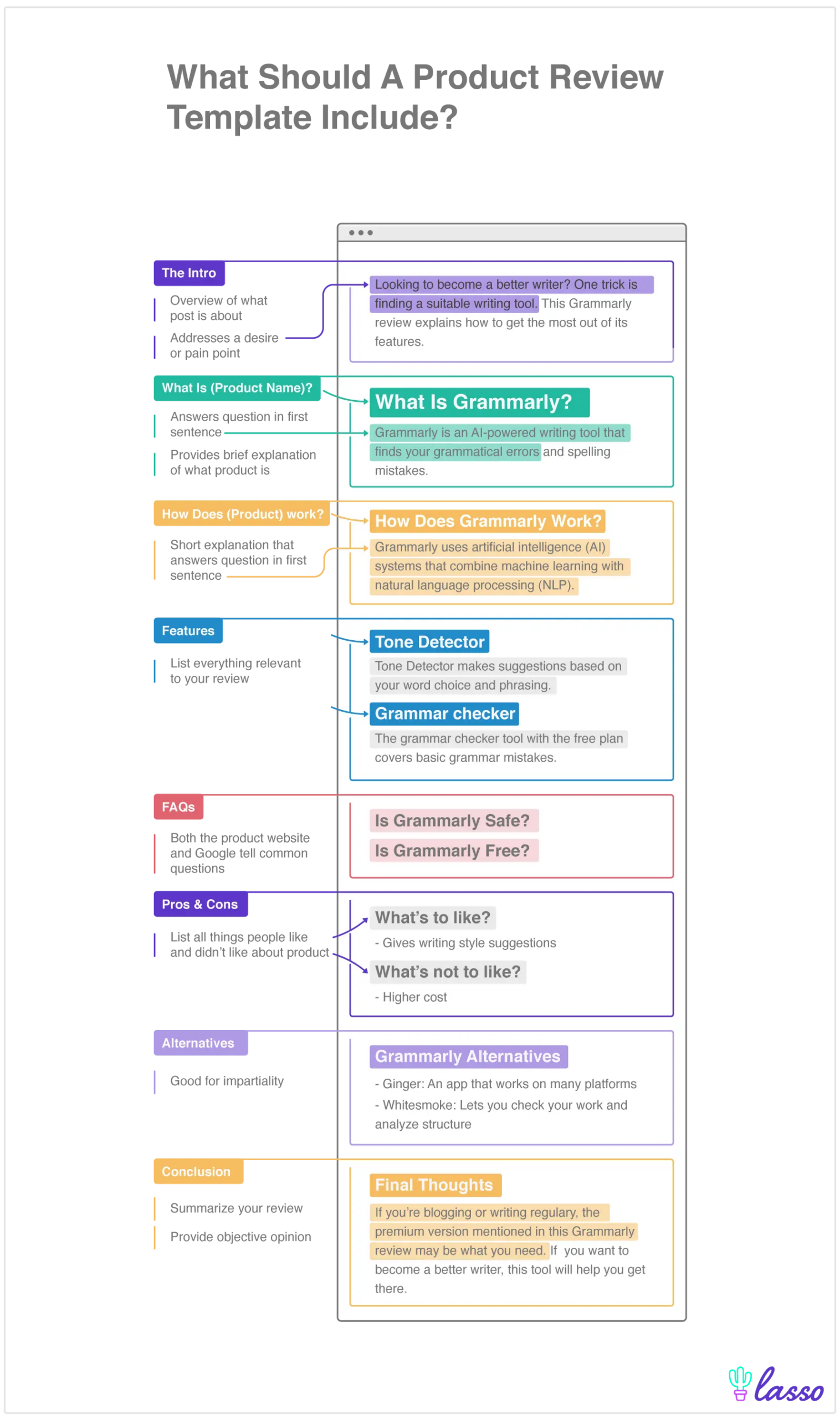
Think about “Best for” modifiers that match your audience, then build displays with badges that speak to their intent. For structure, steal our simple product review template.
6. Monitor Affiliate Link Health
Broken links cost you
Lasso shows broken links and out-of-stock products in your dashboard. Because monitoring runs on Lasso’s servers, it won’t slow your site the way traditional broken-link crawlers can.
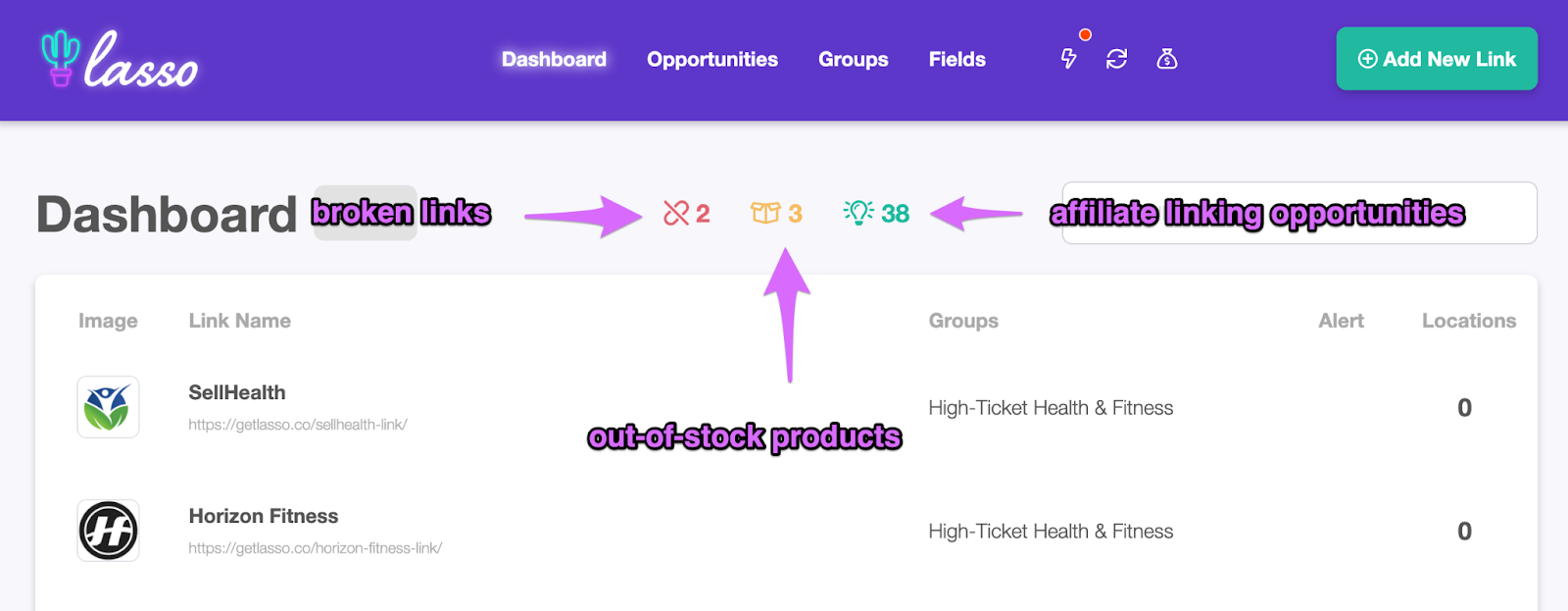
When it’s time to replace or update a link, do it from the affiliate product’s Link Details page instead of editing every post by hand.
7. Write Product Alternatives Articles
Ride another brand’s search demand by covering its competitors. Search “Quicken alternatives” and you’ll see the pattern: readers want options, and publishers who rank capture commissions.
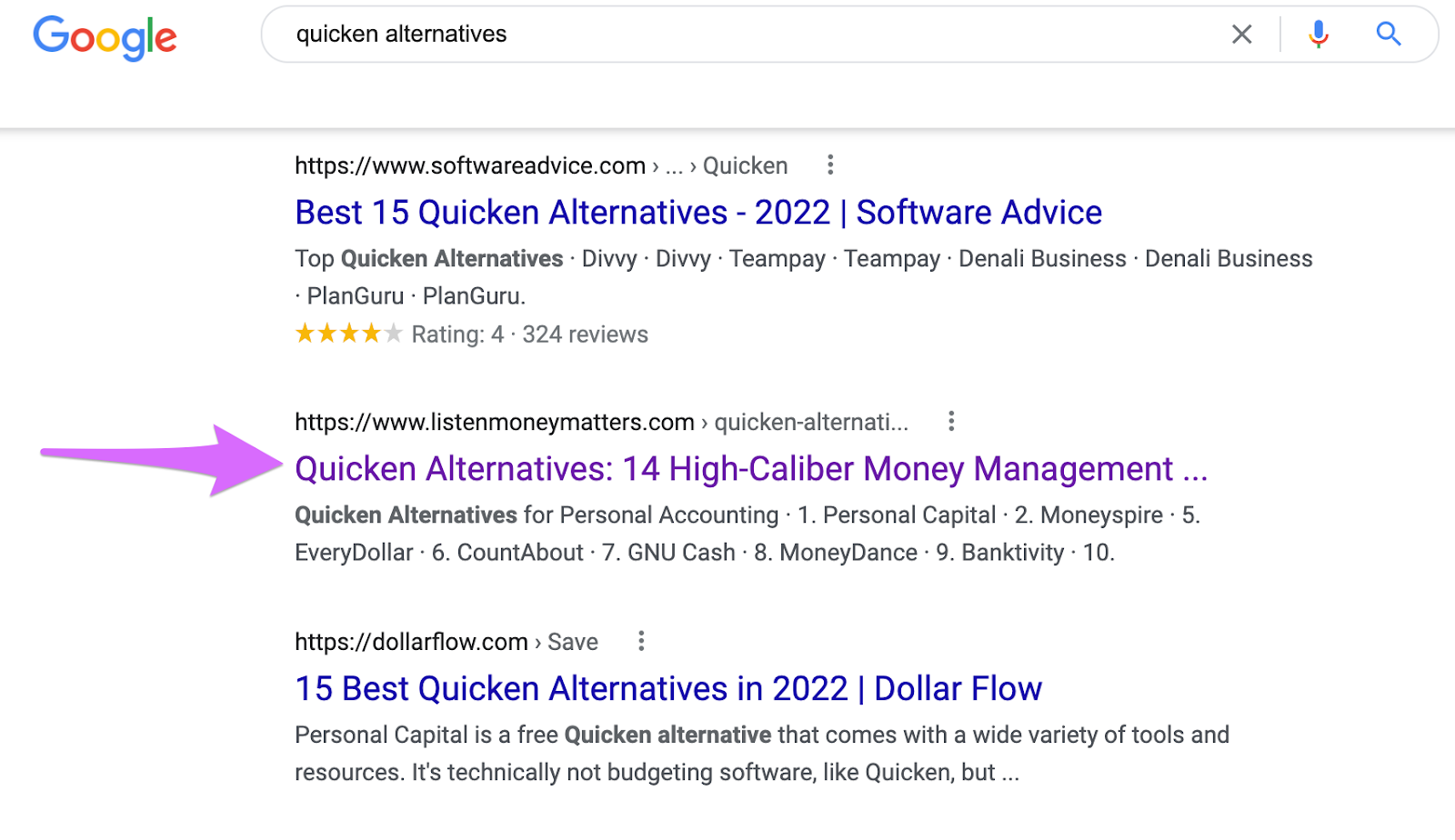
That’s exactly how our site won traffic and nabbed more affiliate commissions on finance tools.
8. Write Comparison Pages
“Vs.” pages compare two products head to head: Ahrefs vs. SEMrush, Asana vs. Slack, Betterment vs. Wealthfront. Search demand is high because the reader has narrowed to two options and needs a tiebreaker.
This audience is in commercial investigation mode. They’ve done the research and want a clear recommendation before they buy. Commercial intent is baked in. These pages convert when you give an honest verdict backed by specifics, not a feature dump with no winner.
9. Join High-Ticket Affiliate Programs
High-ticket affiliate marketing means promoting premium products for larger payouts: top-shelf courses, luxury goods, high-quality software. Fewer sales, bigger commissions.
Some programs pay hundreds to thousands per referral. Super-affiliates in this lane can earn five or six figures monthly at lower volume. Getting started looks like any other program: sign up, share your site, explain how you’ll promote.
Sidenote: selective brands gate access. Authority Hacker’s program pays up to $990 per commission and rejects many applicants.
10. Create a Resources Page
Our resources page (we call it a Toolbox) converts at 10%. That’s far above typical blog posts. Stock it with bestsellers, tools you actually use, and personal recommendations.
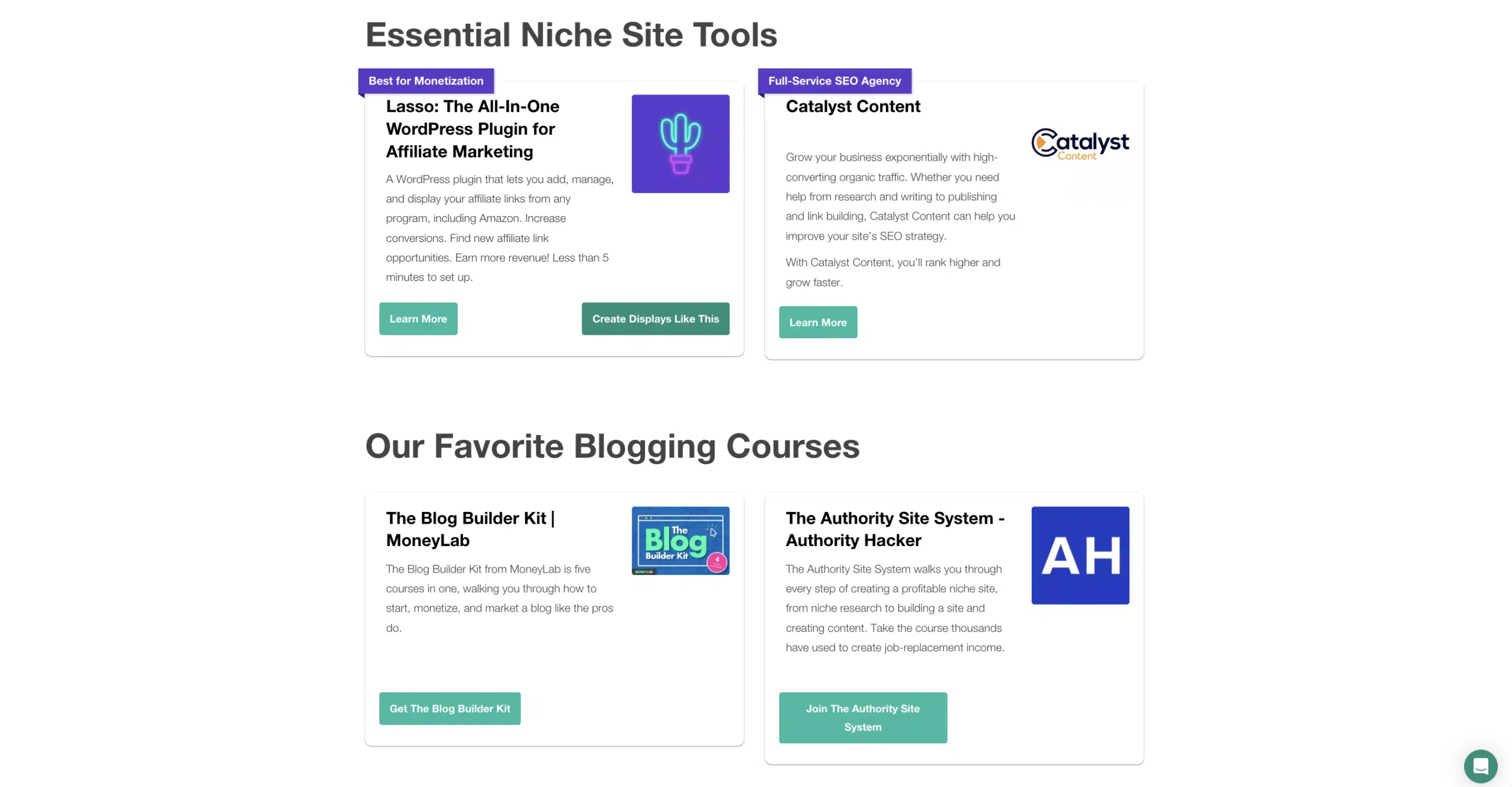
Put the page in your navbar so readers find it without digging. A buried resources page leaves
11. Increase Your Affiliate Link Placement
Text-only links still work, but they aren’t enough on their own. Product displays, embedded images with affiliate URLs, and clear CTAs give readers more chances to click. That lifts earnings-per-click, conversion rates, and CTRs.
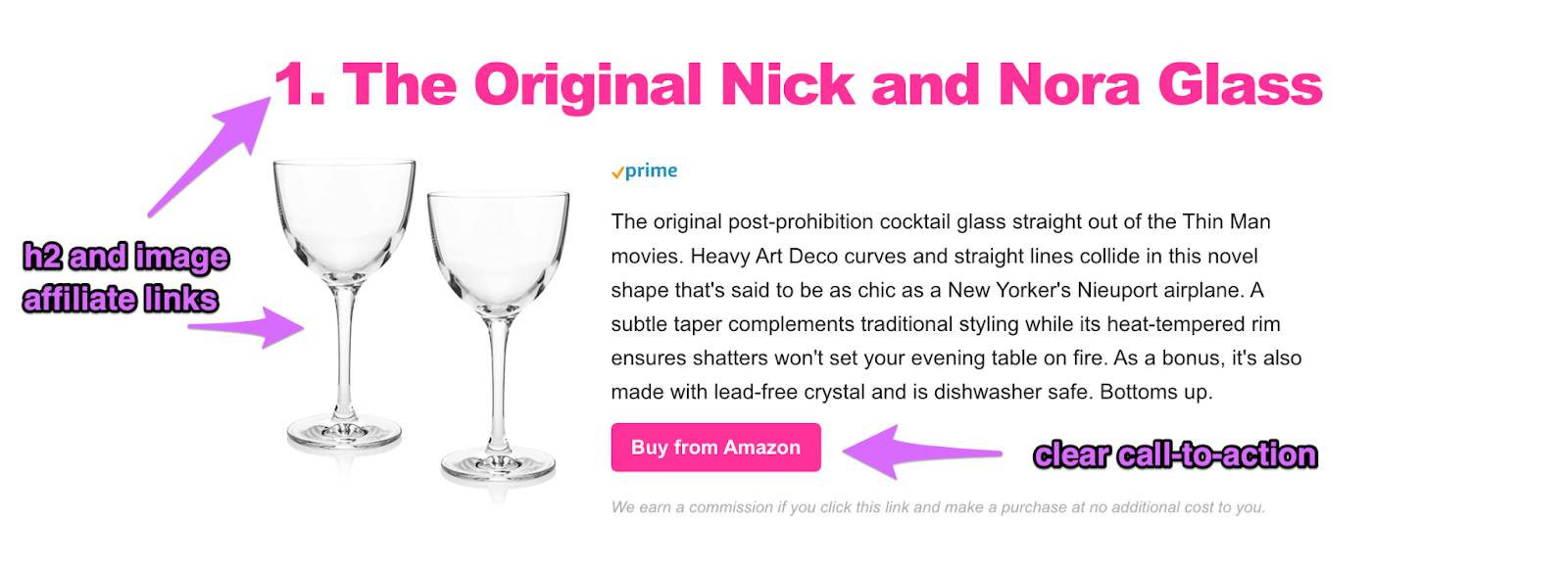
We place affiliate links in the image, the headline, and the button. After millions of impressions, users scroll past plain text links but stop on product displays.
Tip: feature the same affiliate link across a review, tutorial, comparison, and your resources page. More surface area, more clicks.
12. Always Be Disclosing Affiliate Links
The FTC requires clear disclosure when you earn from recommendations. Disclosures show readers you’re in a paid relationship with the merchant. Skip them and you risk fines, program removal, and reputational damage.
Lasso adds disclosure text to displays automatically beneath the CTA:
Essentialism: The Disciplined Pursuit of Less
$29.00
$11.75
The Way of the Essentialist isn’t about getting more done in less time. It’s not about getting less done. It’s about getting only the right things done. It’s about the pursuit of the right thing, in the right way, at the right time.
-
Will make you more effective.
-
Quick read and highly actionable.
-
You have to be open-minded.
We earn a commission if you make a purchase, at no additional cost to you.
You can customize copy in the plugin if you prefer your own wording. For placement examples, see our guide to affiliate disclosure examples.
13. Leverage Discounts, Coupons, and Bonuses
Many programs offer affiliate-only discounts they don’t advertise. Ask your affiliate manager. If they agree, promote the offer to subscribers and social followers.
Test discounts on exit-intent pop-ups. Some affiliates report strong results as a last-chance offer before a reader leaves. You can also use pop-up displays in content: if someone lands on a web hosting roundup, a timed pop-up recommending
Bonuses work too. Email copywriter Chris Orzechowski bundles free webinars, tutorials, or quick-start videos with affiliate offers. If you’re stuck on what to offer, review course platforms like Udemy or Skillshare for inspiration on packaging value.
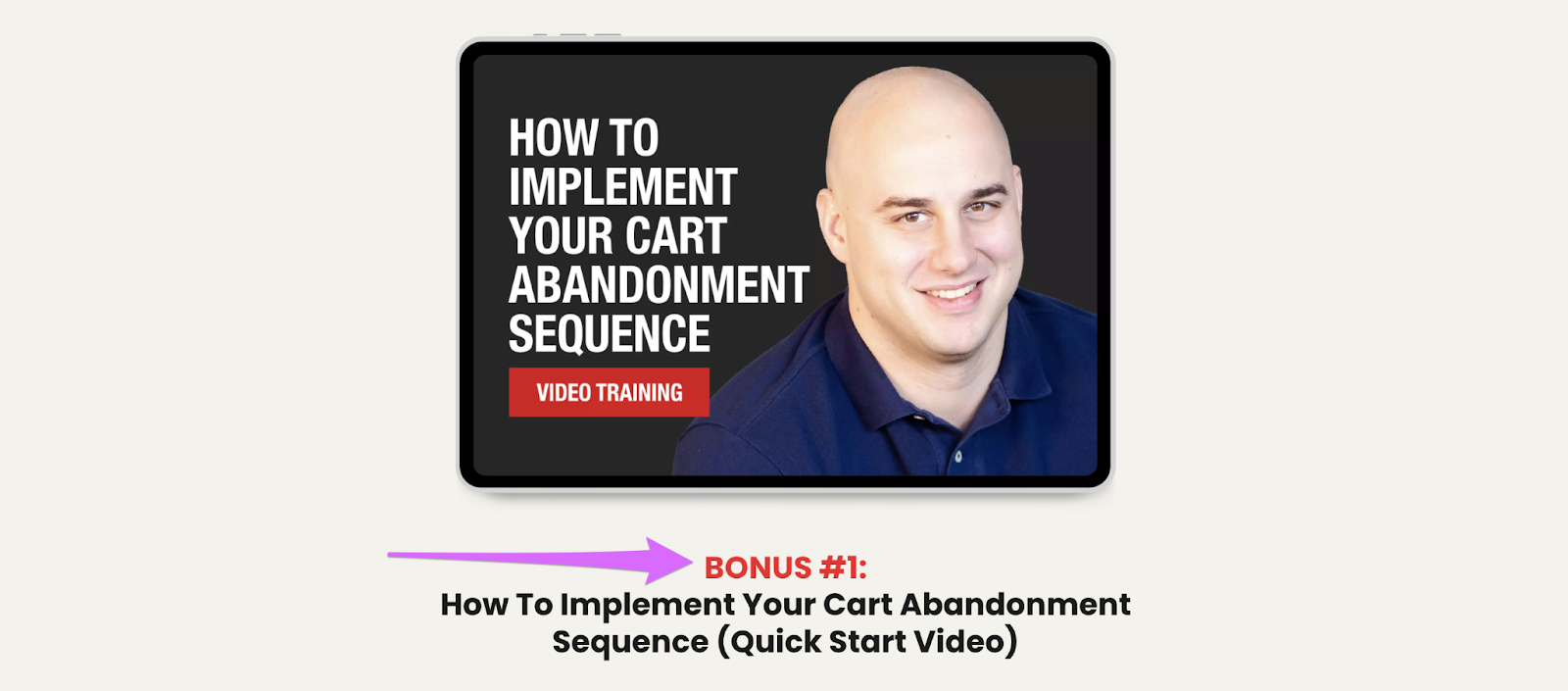
He includes a page from his paid newsletter plus an over-the-shoulder video. Brainstorm a free bonus your readers would actually want.
14. Get Custom Affiliate Landing Pages
Pat Flynn’s Tools page is a masterclass. When you click a recommended tool, you land on the merchant’s site but still see Pat’s branding. That layer of personalization extends trust from his site to the point of conversion.
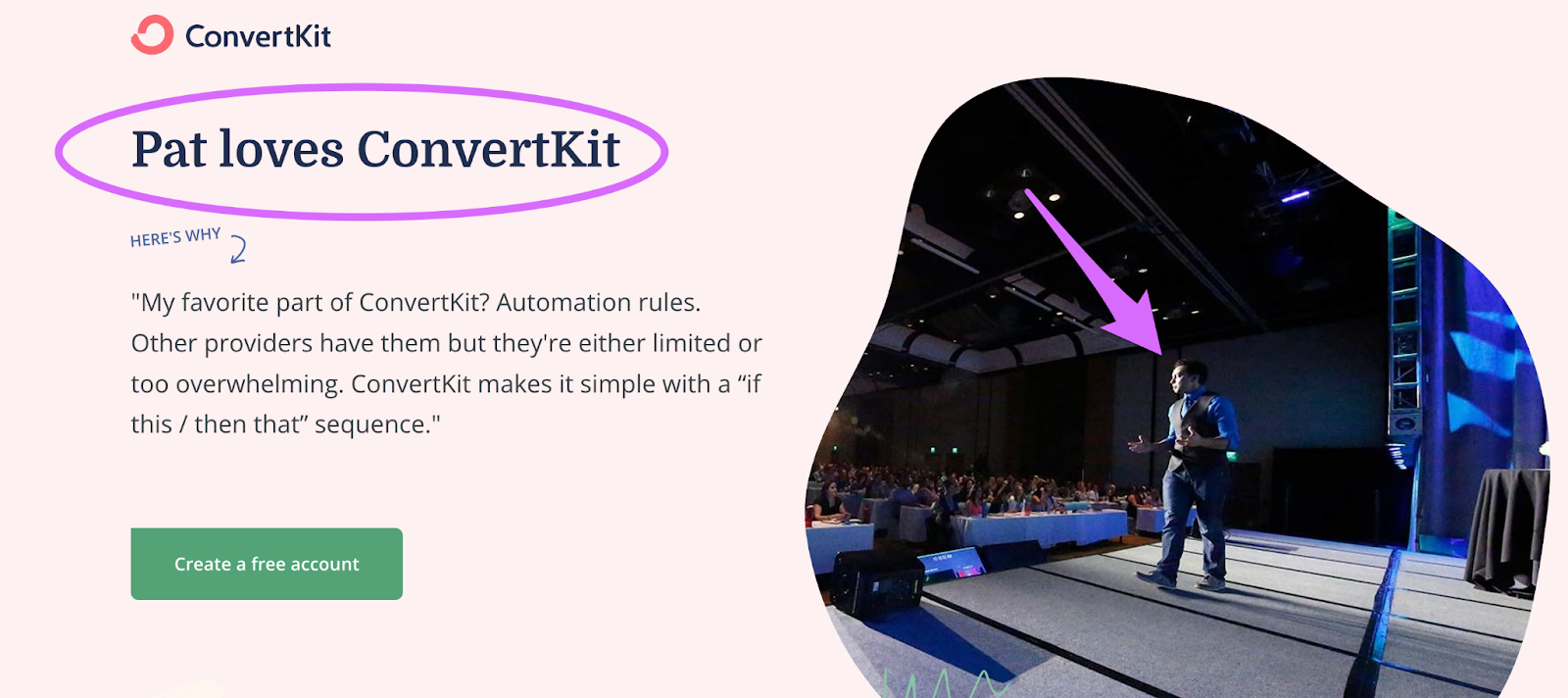
Custom landing pages remove friction. We’ve seen the lift on our own properties when merchants support co-branded pages.
15. Localize International Traffic
Your analytics likely show visitors from multiple countries. If you only link to one regional store, you leave commissions behind.
For Amazon, sign up for each country’s Associates program where you have meaningful traffic. In your account, head to Tools > OneLink.
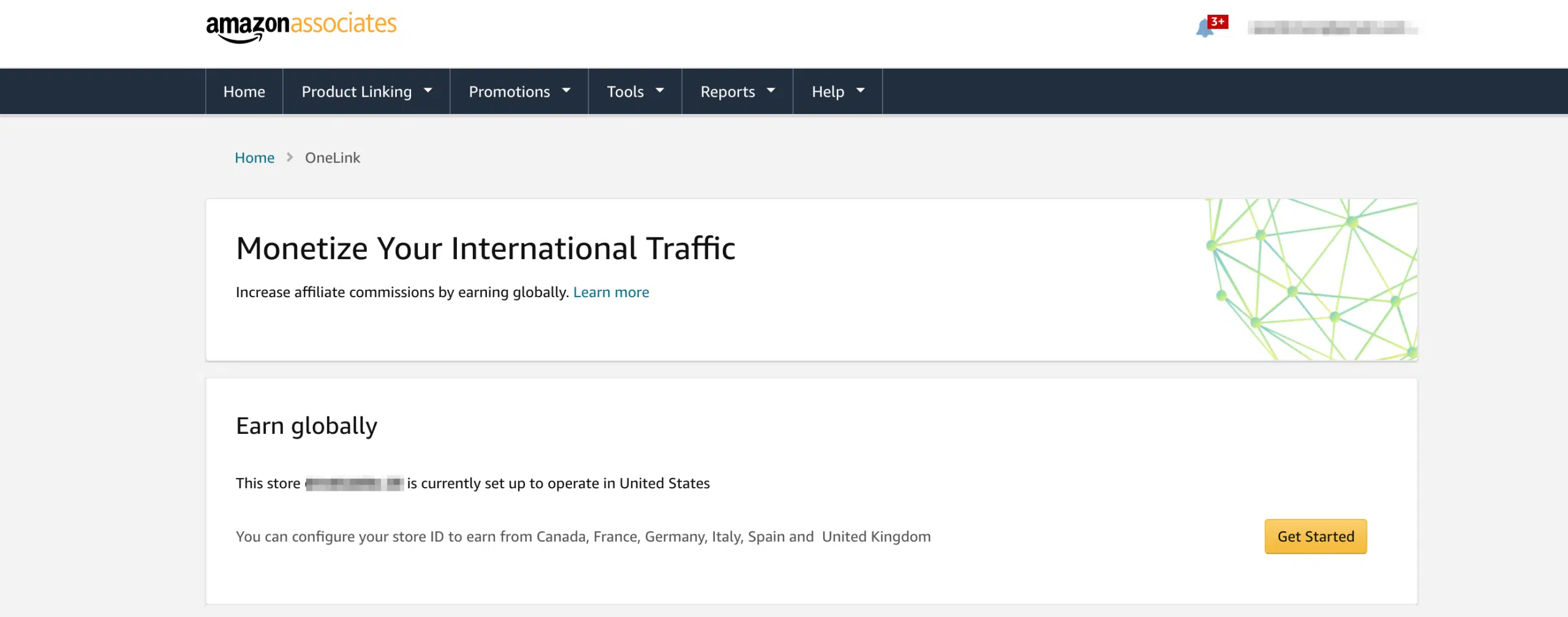
OneLink geo-redirects international visitors to their local Amazon store. Product pages load in their language. You earn on traffic you were already getting.
16. Build an Email List
You don’t own Facebook, Twitter, or Google. Algorithm shifts, lockouts, and bans can erase reach overnight.
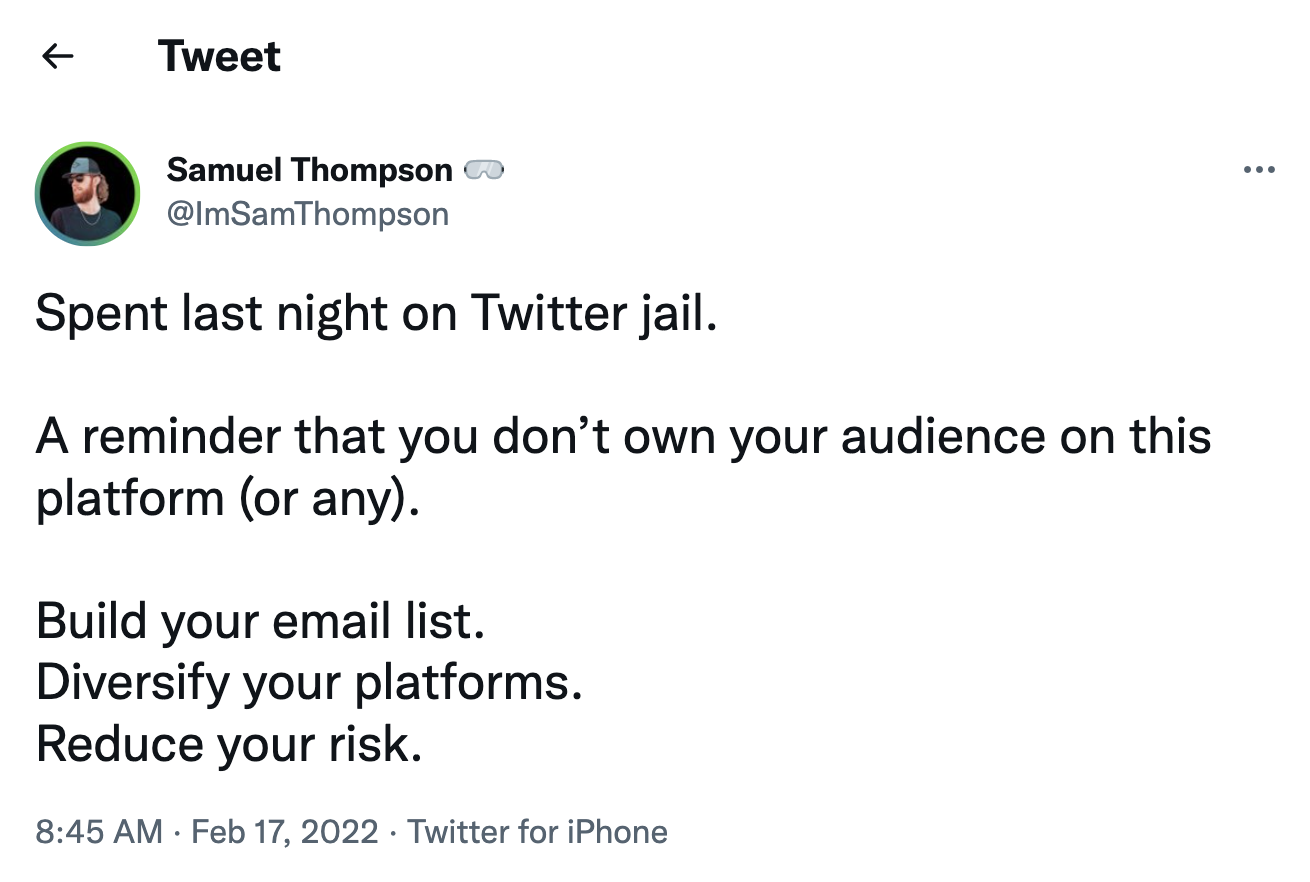
You do own your email list. Use search and social to drive traffic, then migrate that rented audience to a list you control. Email marketing returns $44 for every $1 spent. Subscribers are warm: they opted in and expect to hear from you. Include affiliate links when the fit is natural.
17. Write for SEO
Search engines index more URLs, serve more ads, and reward sites that match intent. Ranking on page one signals credibility, improves user experience, and puts eyeballs on your monetized content for years. Why hang your billboard in a ghost town?
Organic rankings can sustain traffic without paid ads. But page-one placement requires understanding search intent behind each keyword query. Match format to intent. A list post won’t outrank e-commerce shops if every SERP result is a product page.
Terms like “best CBD gummies” carry higher buying intent than “what are CBD gummies.” Target the queries where a click leads to a commission, not just the ones with the highest volume.
18. Redistribute Your Content to Diversify Traffic Sources
A 2,000-word post you spent 20 hours on can become YouTube segments, Medium articles, TikTok clips, and newsletter issues. Ross Simmonds calls it “create once, distribute forever.”
Find where your readers already spend time. Reddit is not Facebook. Lead with value on each platform, then point traffic back to the canonical post on your site.
2What Affiliate Marketing Tips Did We Miss?
There are a billion tactics out there. We stuck with methods we’ve used or watched customers execute at scale. The eighteen tips above should be plenty to move the needle on clicks, conversions, and long-term revenue.
Don’t rely on affiliate sales alone, either. Create your own products and services when the opportunity is there. Operators who combine affiliate income with owned offers get more financial freedom and less platform risk.
For operators who want to avoid the reverse of these tips, read 9 costly affiliate marketing mistakes to avoid. Then run an Opportunities Scan on content you already published. Most sites have unmonetized product mentions sitting in posts that already rank.
Ready to turn affiliate links into infrastructure instead of an afterthought? Get started with Lasso today.

Sean Brison
Sean Brison is a dad, writer, business owner, and Content Lead at Lasso. He's spent the past several years in cahoots with Lasso's founder, Andrew, creating awesome things for people. He's also addicted to perfectly-balanced cocktails, the outdoors, and John…