
The internet is full of affiliate marketing examples. Some are excellent. Most are not. The difference usually comes down to niche focus, editorial quality, and how naturally recommendations fit the content.
We curated nine sites across different industries that get it right. Whether you run a new blog or an established publisher, these examples show how to
Updated 2026.
1What Is Affiliate Marketing?
Affiliate marketing means recommending a business’s product or service and earning a commission when someone buys through your unique tracking link.
If you are reading this, you probably know the basics. A lot of the noise around affiliate marketing makes it sound harder than it is. That is often because someone is trying to sell you a course, a coaching program, or a stack of tools you do not need.
The core model is simple. You publish useful content. You recommend products that solve real problems. You get paid when readers buy.
The numbers back that up. 81% of brands and 84% of publishers use affiliate marketing. U.S. affiliate marketing spending grows about 10.1% per year. You do not need massive traffic to start. Every post you publish is a chance to earn.
29 Affiliate Marketing Examples by Industry
These sites span finance, travel, reviews, health, food, parenting, news, coffee, and fashion. Different models. Same principle: trust first, commissions second.
1. Personal Finance: NerdWallet
Money is a broad category. The best affiliate sites pick a lane: credit cards, investing, budgeting, or insurance.
NerdWallet is a review site built almost entirely on affiliate revenue. It does not sell its own products or run display ads. It is best known for credit card reviews, and it covers more than 1,000 cards across travel, cashback, airline, hotel, and no-credit options.
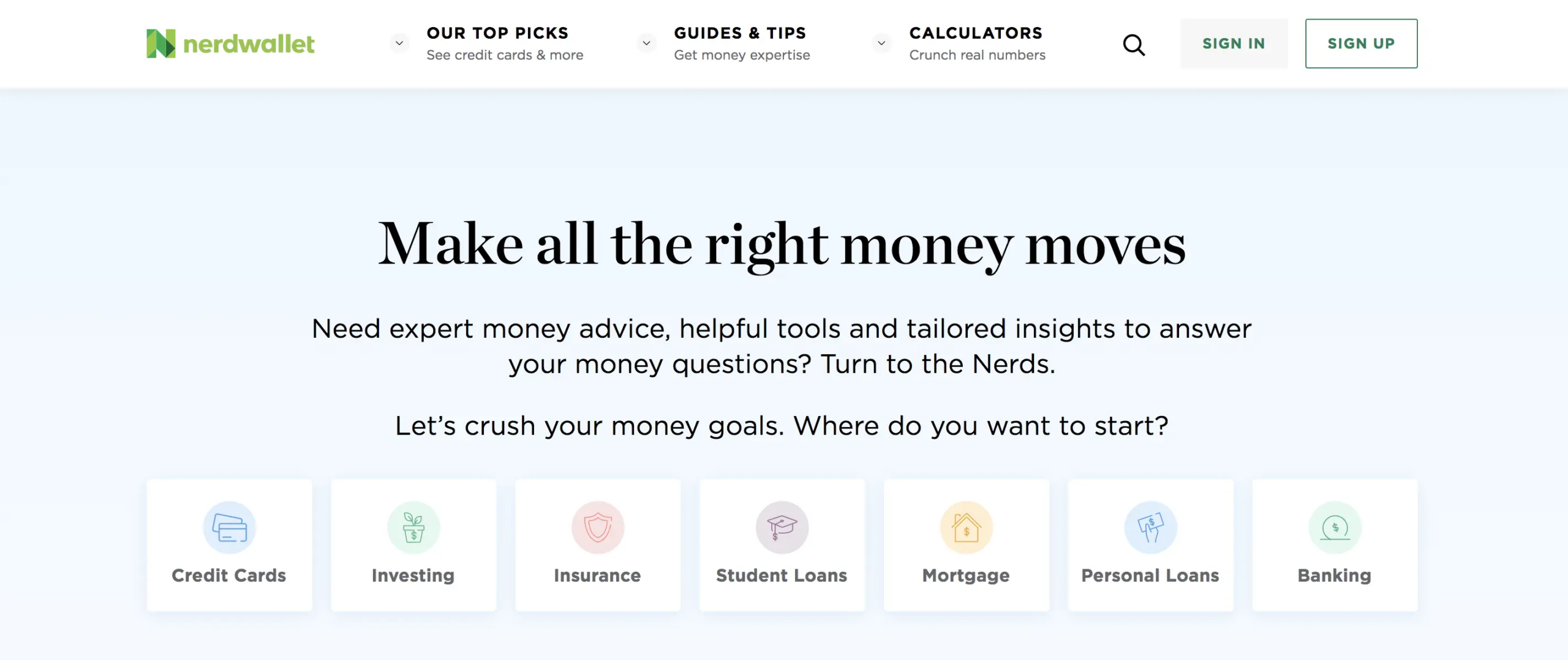
NerdWallet earns an estimated $100 million annually from affiliate commissions. The takeaway for operators: narrow your niche, then go deep on comparison content that helps readers choose.
2. Travel: The Points Guy
Travel blogging looks glamorous from the outside. The Points Guy built a real business on a specific problem: how to use credit card points and miles to fly better for less.
The site reviews flights, cabins, hotels, trains, and airport lounges. One of its most valuable assets is monthly point valuations for credit cards and rewards programs. Those numbers change often, which gives readers a reason to return.

Hotels and airlines may run affiliate programs, but The Points Guy’s revenue comes primarily from credit card affiliates. That is a smart monetization choice: one high-commission category instead of dozens of low-payout links scattered across the site.
3. Consumer Reviews: The Wirecutter
The Wirecutter started as an independent review site in 2011. The New York Times acquired it in 2016 for about $30 million. Between 2011 and 2016, the site generated roughly $150 million in affiliate income.
It reviews everything from appliances and pet supplies to credit cards and digital products. Articles are researched by journalists, scientists, and category specialists. That editorial depth is why readers trust the recommendations.
The Wirecutter participates in Amazon Associates, Home Depot, Target, and other programs. For operators, the lesson is format, not category size. “Best X for Y” roundups with clear winners convert because they match buyer intent.
For more on that model, read 9 types of high-converting affiliate marketing content.
4. Health: The Healthy Maven
Health and wellness is crowded. The Healthy Maven stands out with whole-life wellness content: clean eating, natural products, self-care, travel, and work-life balance.
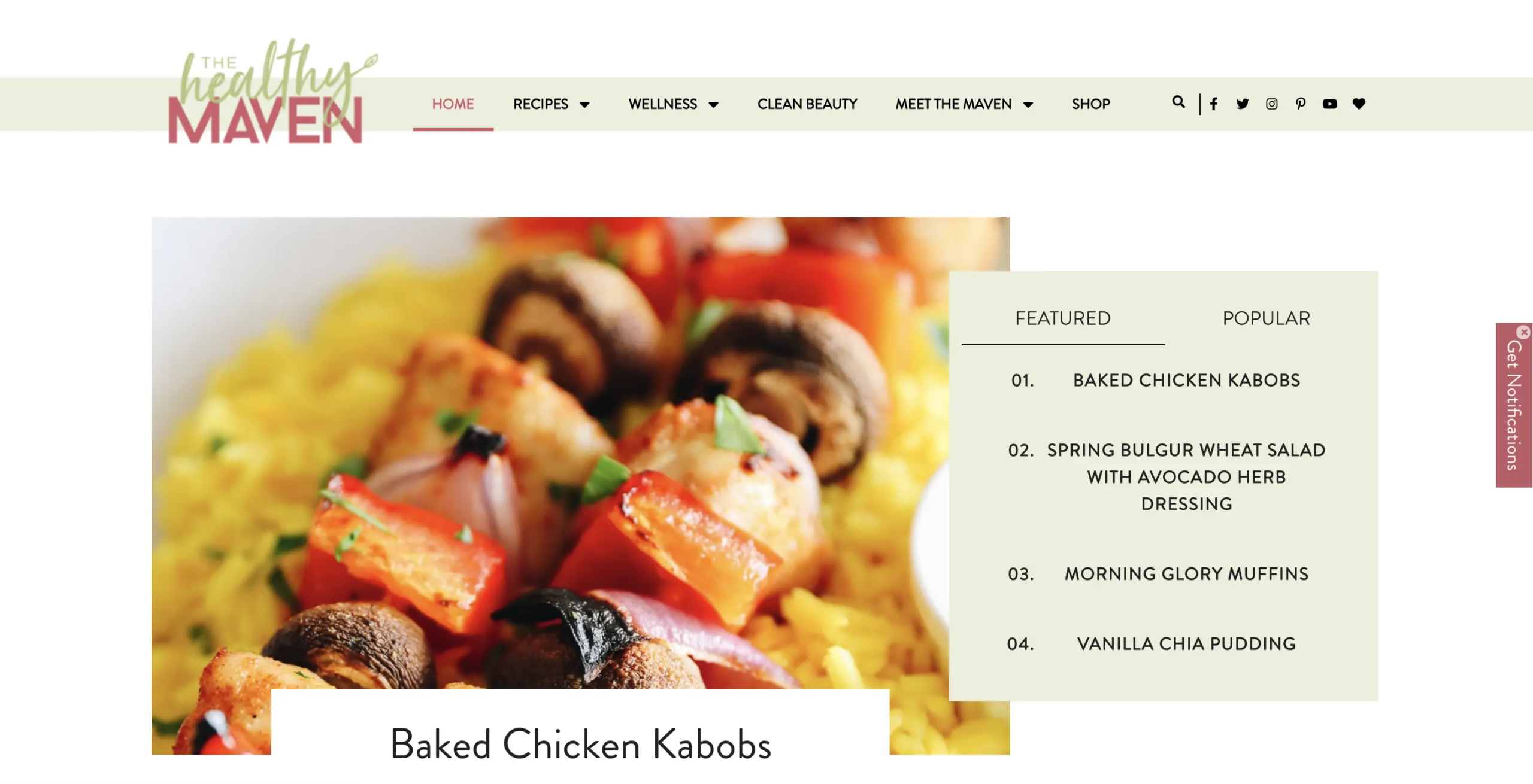
The site leans aspirational. Strong photography. A dedicated Shop page with green beauty picks and founder recommendations. Some products link to Amazon. Others go direct to brands.
Wellness is a billion-dollar industry. The Healthy Maven shows that editorial voice and curated product lists can
5. Cooking: Food52
Cooking blogs have endless niches: vegan, French, meal prep, picky eaters, gourmet. Food52 started as a recipe site and grew into a lifestyle brand.
You can save and organize more than 50,000 recipes on the site. Food52 also runs its own e-commerce shop with over 5,000 items and its own affiliate program. In 2018, the company reported around $30 million in total sales and projected $40 million in overall revenue by year end.
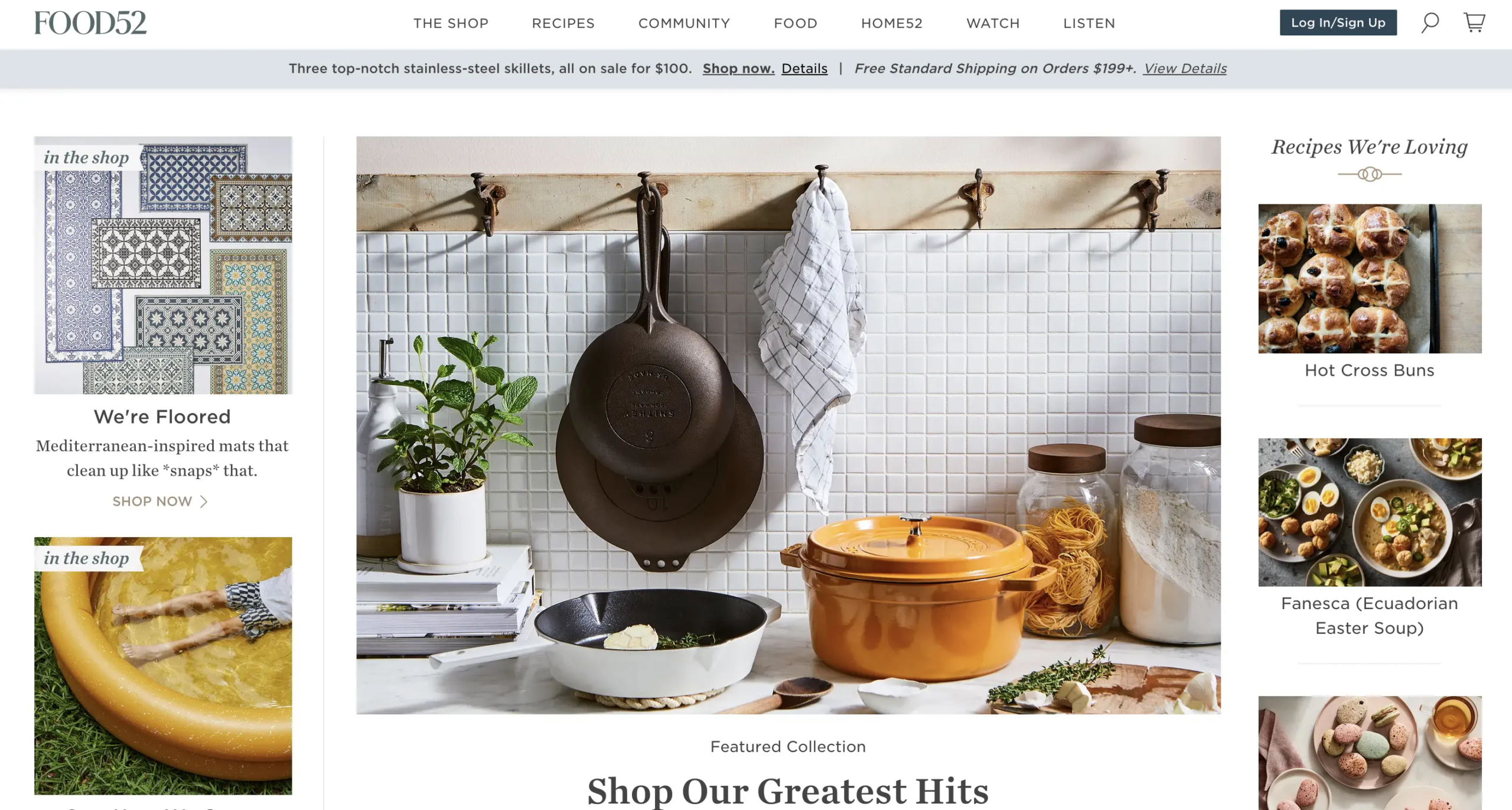
Food52 proves you can blend content, commerce, and affiliate revenue on one property. Recipe traffic feeds the shop. The shop feeds affiliate and direct sales.
6. Shopping: Cool Mom Picks
U.S. consumers spent $601.75 billion online with merchants in 2019, up 14.9% from $523.64 billion the prior year. Parent-focused shopping covers a huge product range: kids gear, home organization, kitchen tools, gifts.
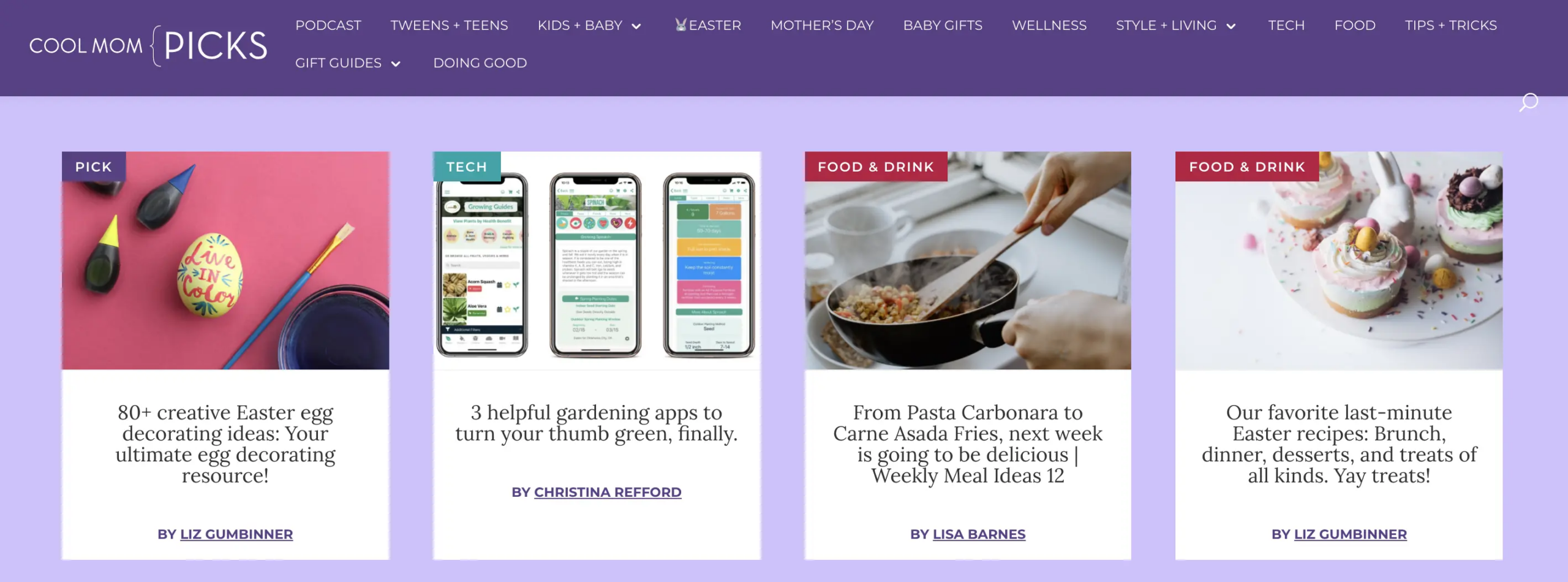
Cool Mom Picks curates practical recommendations and gift ideas with a clear editorial voice. List posts and seasonal guides do the heavy lifting. For affiliate operators, parenting and gift niches reward curation over volume.
7. News: BuzzFeed
BuzzFeed is known for quizzes and viral lists. It also produces real journalism. Its 2018 reporting on Russia earned a Pulitzer nomination.
Journalism is expensive. BuzzFeed monetizes partly through affiliate marketing, and it does it well. Gift guides and occasion-based listicles (“best gifts for…”) embed product recommendations where readers already have purchase intent.
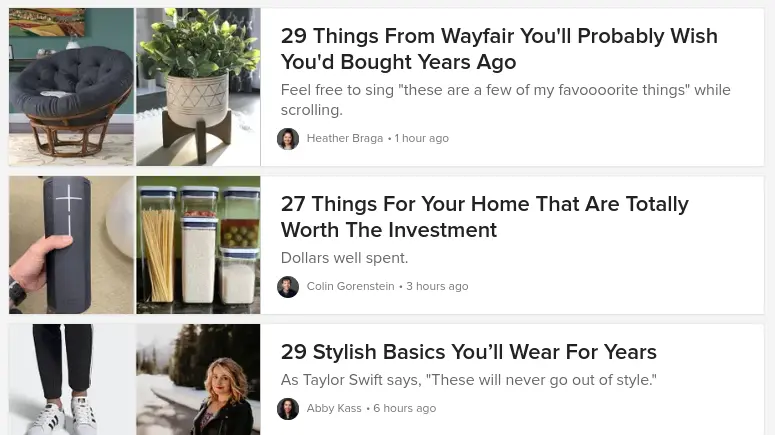
One pattern worth noting: BuzzFeed promotes certain products repeatedly across lists. Repetition builds familiarity. Readers who see the same recommendation in multiple contexts are more likely to trust it.
For a broader take on the channel’s staying power, see is affiliate marketing dead?
8. Coffee: Roasty Coffee
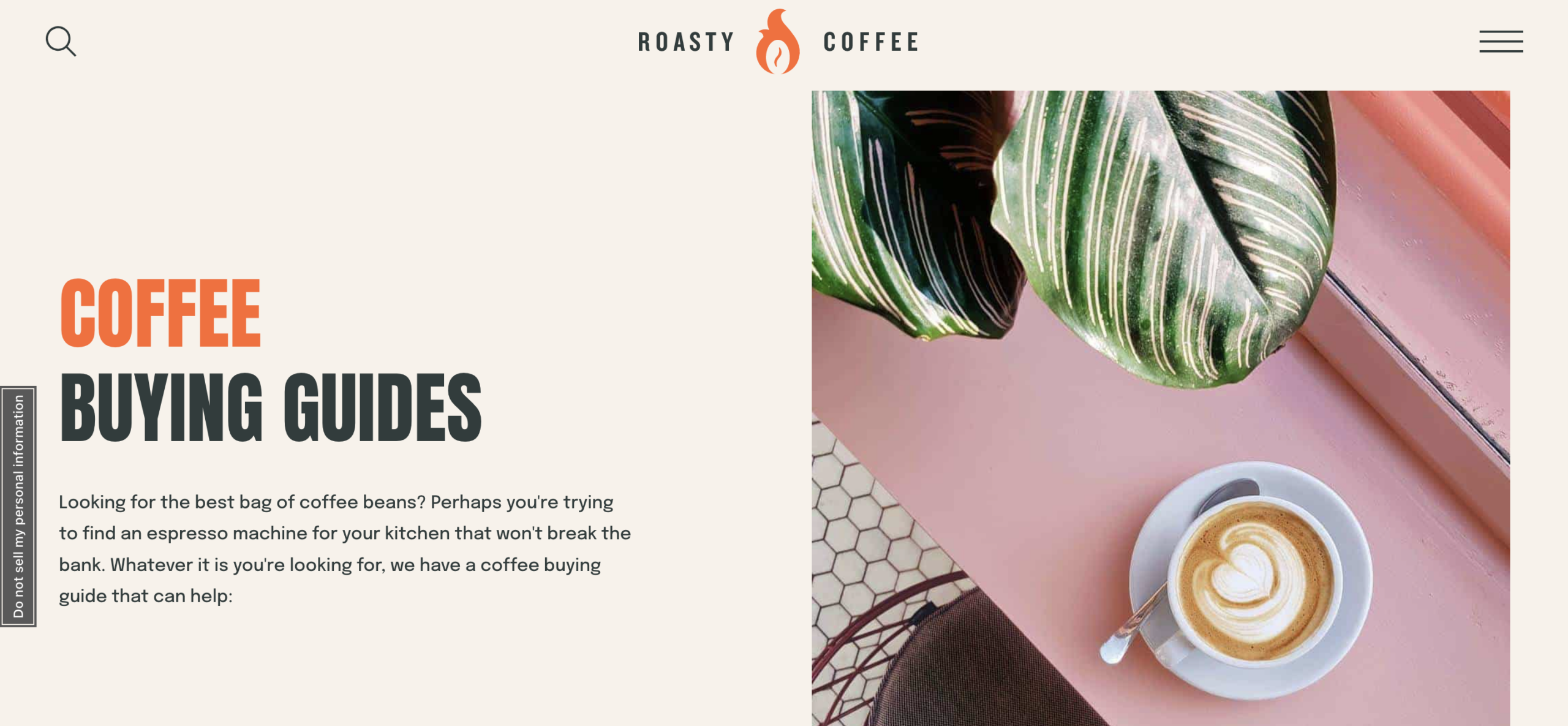
Food and beverage blogs exist for beer, cookies, tea, and coffee. Lasso co-founder Matt Giovanisci founded Roasty Coffee in 2015 and later sold it as his focus shifted. The site still ranks and earns.
Content falls into three buckets: coffee facts, how-to brew guides, and buying guides. Revenue comes from banner ads, a digital course, and affiliate links.
According to Ahrefs data, Roasty Coffee gets about 267k monthly visitors on 100% organic traffic with no paid keyword spend.
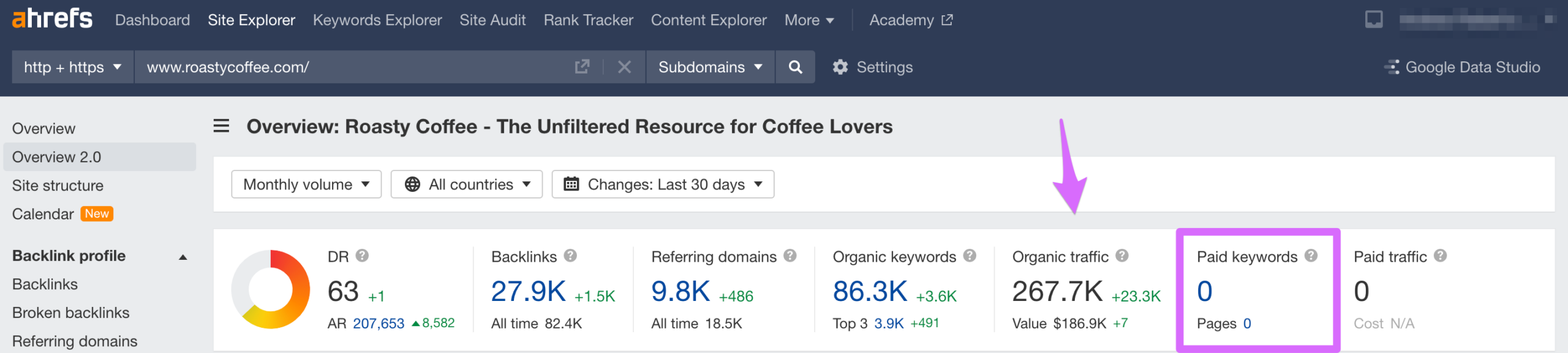
Two takeaways stand out. You do not need dozens of categories to win. A lean, focused site can outperform a bloated one. And you do not need paid ads if your SEO content answers real search queries.
9. Fashion: Effortless Gent
Fashion affiliates often earn more when they recommend premium products. Effortless Gent teaches men how to dress well without buying a huge wardrobe.
Founded in 2009 by Barron Cuadro, the site publishes style tips, outfit guides, product reviews, and comparisons. The Shop page lists Barron’s recommendations, all linked through affiliate programs.
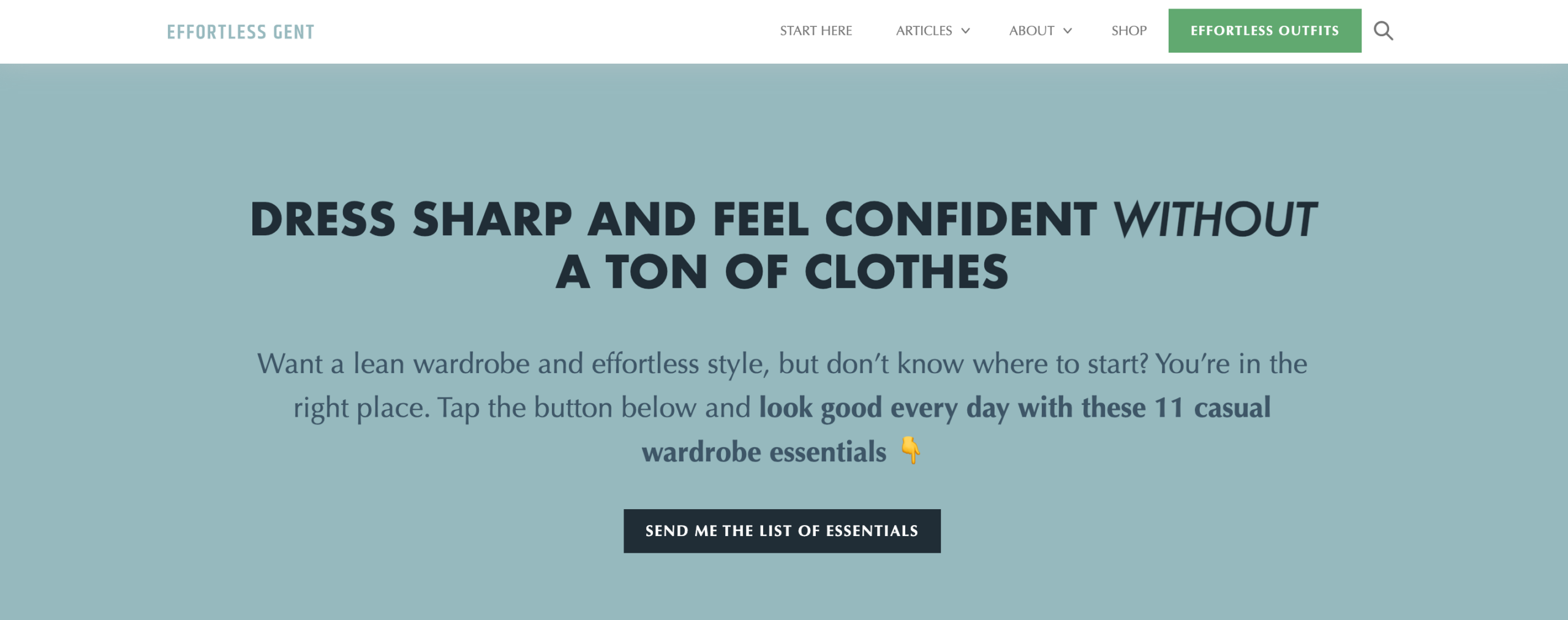
Effortless Gent also runs display ads, sponsorships, and client work. Resource pages convert especially well because readers arrive with buying intent. Barron is also a Lasso customer. If you want the operator view, read his case study on getlasso.co.
3What These Examples Teach You
The sites above look different. They share a few habits worth copying.
Increase Affiliate Link Placement
Plain text links still work, but they are easy to scroll past. Product displays, images with affiliate URLs, and clear CTAs in subheadings give readers more chances to click.
We saw higher commissions when we added product displays and embedded images with affiliate links across our content.
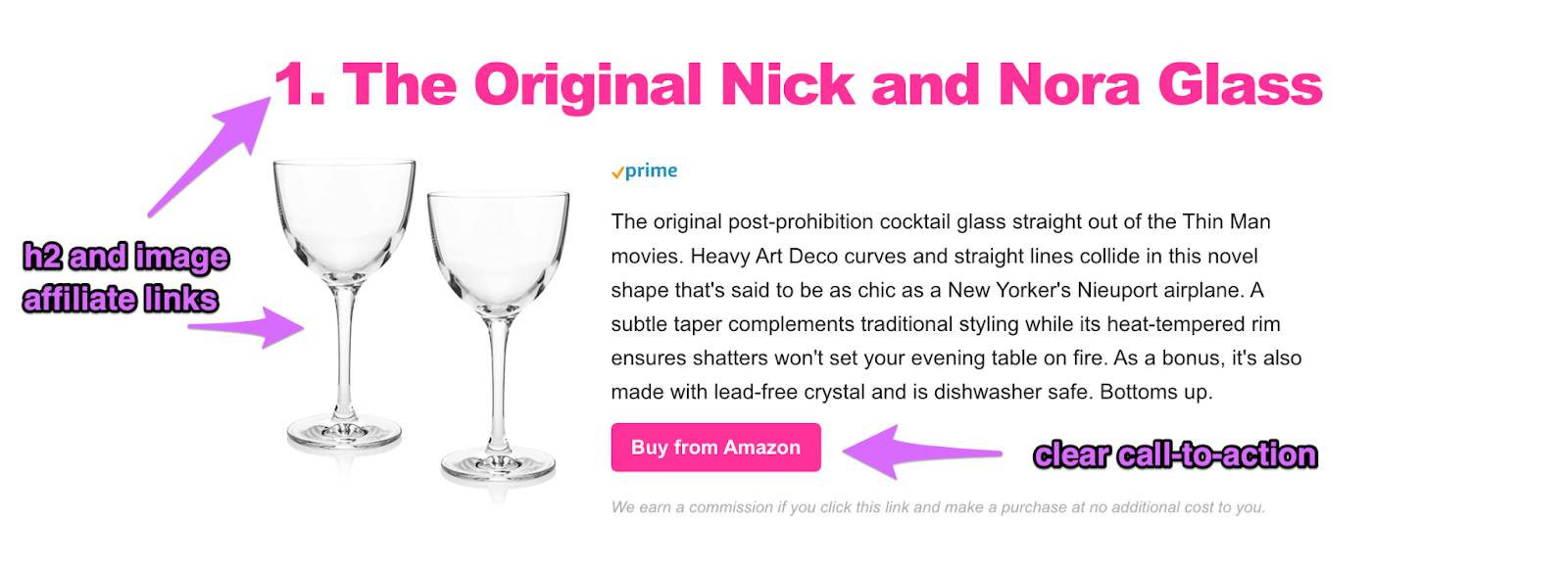
Try placing recommendations where readers pause: comparison tables, hero images, and section headers with a direct action.
Recommend Products You Actually Believe In
Readers can smell a cash grab. Promoting everything in an affiliate network might earn a quick dollar. It will not build an audience that comes back.
Trust compounds. Recommend products you would stake your reputation on. That is how you turn one-time clicks into repeat buyers.
Create Content Around Your Affiliate Products
Nearly half of product searches start with Google. Reviews and step-by-step guides convert because the searcher is close to a purchase. Queries like “best robo-advisor” or “M1 Finance review” leave room for multiple affiliate placements without feeling forced.
If you need a primer on link setup, read how to create affiliate links that earn money.
Track Clicks and Double Down on Winners
You cannot improve what you do not measure. Track affiliate clicks to see which products resonate, estimate monthly income, and compare program payouts.
Products with high click-through rates signal strong reader fit. Underperforming links tell you to swap offers or rewrite the page.
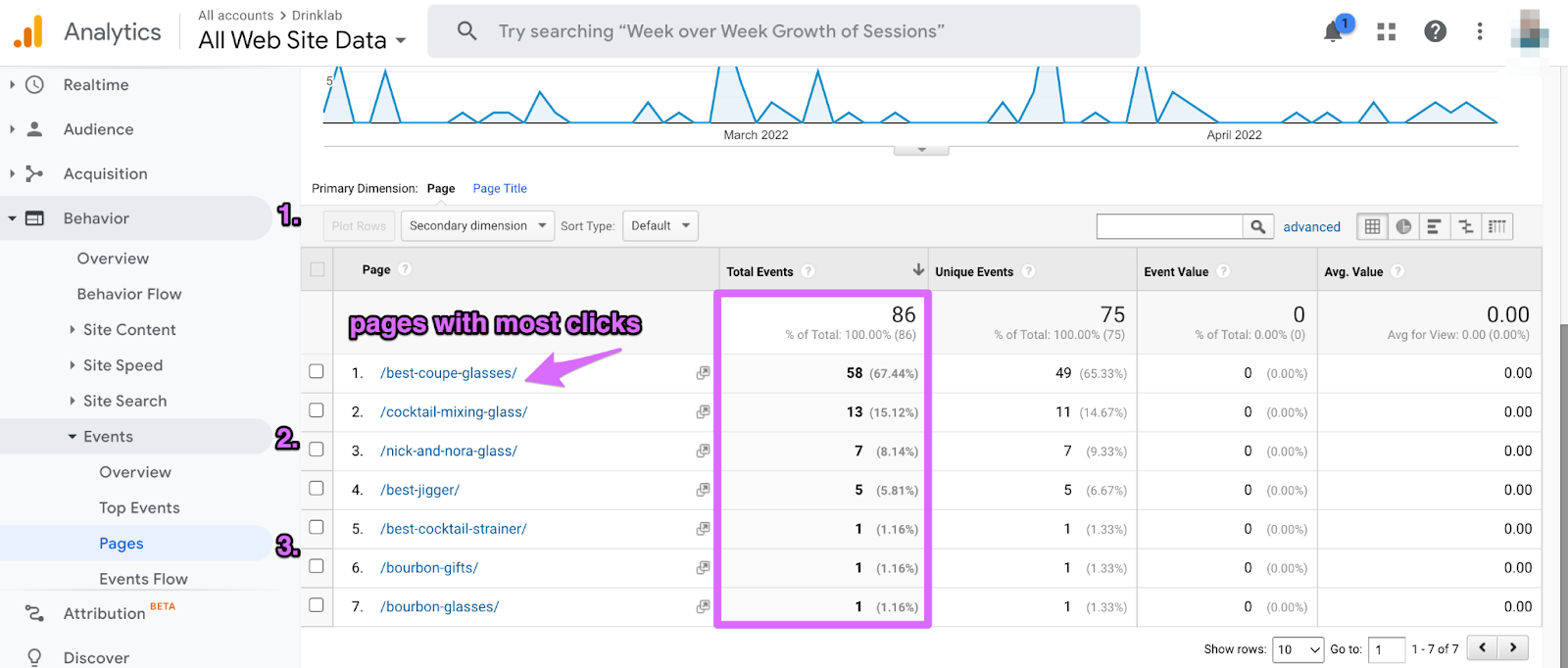
Connect your link tool to analytics and review which posts drive the most clicks. Then update those pages first.
4How to Start Affiliate Marketing
Starting costs less than most people assume. Here is the short version.
Pick a Niche You Can Own
Choose a topic where you have experience, genuine interest, and income potential. We have customers earning $500k per year in oddly specific niches. The common thread: they outwork everyone else on depth, not breadth.
Research Keywords and Publish Consistently
Keyword research tells you how people search for products in your niche. Write for those queries. Publish on a schedule. Answer the questions your audience actually asks.
Value means content that solves a problem. Everything else is noise.
Join the Right Affiliate Programs
Look for programs that are free to join, easy to use, and pay on a predictable schedule. Our database lists 9,000+ affiliate programs across 100+ niches if you need a starting point.
For a step-by-step walkthrough, see how to start affiliate marketing with no money.
5Put These Examples to Work
NerdWallet and The Wirecutter are heavy hitters. Roasty Coffee and Effortless Gent started lean and scaled through SEO. You do not need their traffic to apply the same principles: narrow niche, useful content, trustworthy recommendations, and links placed where readers act.
Run an Opportunities Scan on content you already published. Most operators find product mentions sitting unmonetized in posts that already rank. Fix those placements first, then model the formats that match how your readers buy.
Ready to turn recommendations into revenue? Get started with Lasso today.

Jamie I.F.
Jamie heads up marketing at Lasso, runs a portfolio of niche sites, and tweets a lot about affiliate marketing and SEO.