
Some of our most successful affiliates look almost identical to our inactive ones on paper. Similar domain authority, branding, and monthly traffic. Yet one group sends steady referral traffic and the other sends none. The gap is not site size. It is content strategy.
We analyzed affiliate marketing content across our program to find what actually converts. Whether you are new to affiliate marketing for beginners or you have been publishing for years, the patterns below will help you match content format to buyer intent and turn existing traffic into revenue.
Updated 2026.
1What Our Affiliate Content Analysis Found
Before comparing content types, we needed a baseline. We grouped affiliate program members by performance, filtered out sites outside our niche, and looked for patterns within each bucket. Three findings stood out immediately.
Traffic matters, but volume is not the whole story
You will not make affiliate sales without traffic. Many affiliates sign up with ten monthly visitors and expect ten conversions. That math does not work.
You need an audience before you send them to offers. The good news: you do not need millions of visits. Some of our most successful affiliates run relatively small sites. We saw little difference in monthly traffic between active and inactive affiliates.
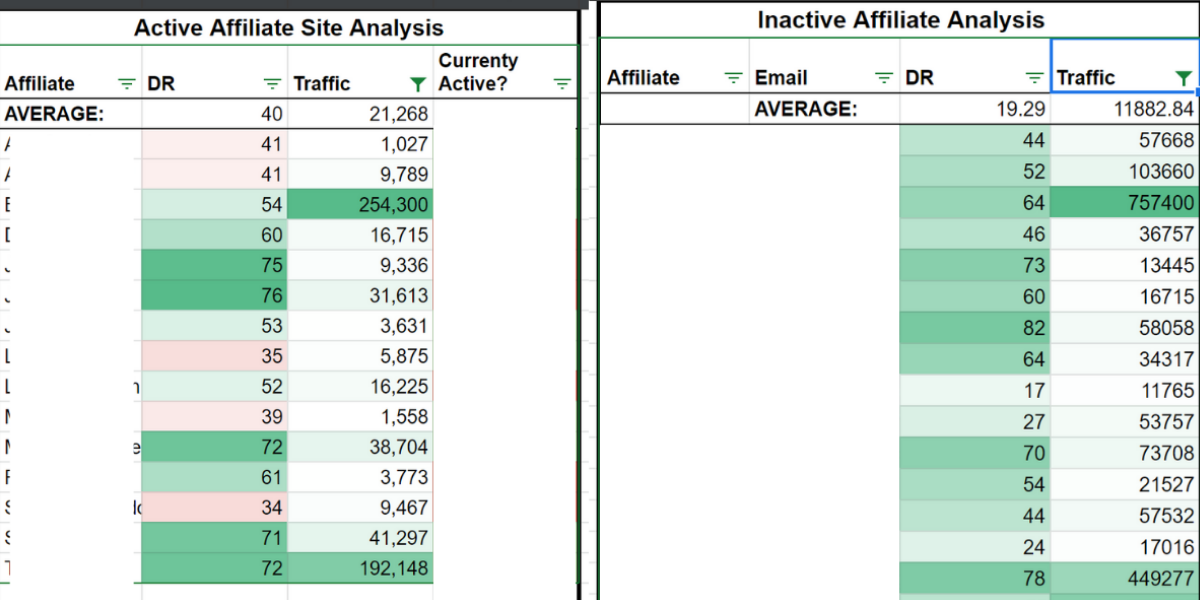
What matters is having the right traffic, not the most traffic.
Clicks are a vanity metric; conversions pay the bills
We have affiliates who send hundreds of clicks per month and make no sales. They are sending garbage traffic.
We also have affiliates who send ten clicks per month and close multiple conversions. They send highly targeted readers who already want what they are recommending.
The number of clicks to your affiliate offers is not the scoreboard. You get paid when traffic converts, not when it wanders through.
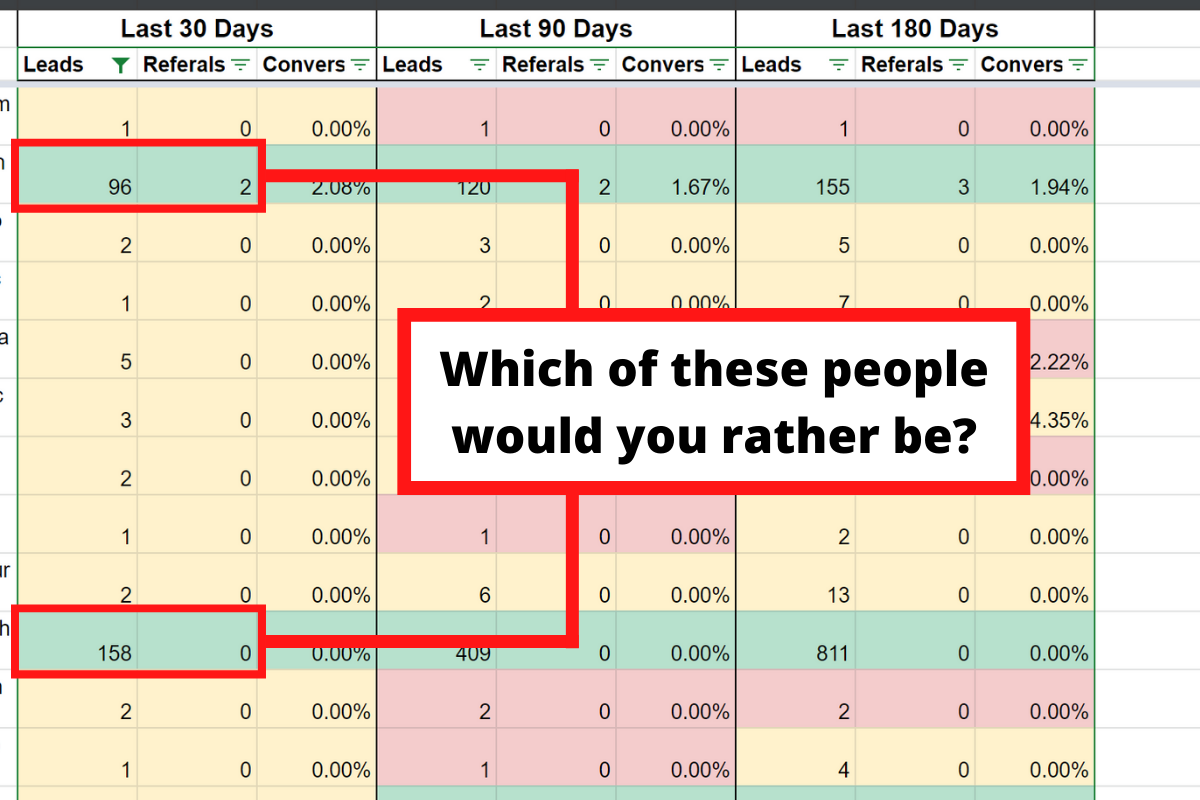
You have to actually promote your offers
We have partners with large sites that make zero conversions. The common thread: they do not promote their affiliate offers.
Dropping an Amazon link into a 3,000-word post and hoping is not a strategy. Write optimized content, then promote it. Make it hard for your audience to miss the products you recommend.
29 Content Types That Convert Best
Once you have traffic and a promotion plan, format choice drives results. Here are the nine types our top affiliates use most, ranked by how often they show up in high-converting sites.
1. Branded Product Reviews
Product reviews carry massive buying intent. Anyone searching “Lasso plugin review” is close to a purchase decision.
The catch: only a few sites rank for branded review keywords. Big publishers dominate most product review SERPs. That is why we do not tell every affiliate to write a Lasso review. Only so many people can rank for that term, and we want our whole program to succeed.
Reviews still convert better than almost any other format. Even when you will not rank organically, write the review anyway. Use it as hub content, email it to your list, share it on social, and link to it from roundups and tutorials as further reading for readers who need one more push.
Lasso: The All-In-One WordPress Plugin for Affiliate Marketing
A WordPress plugin that lets you add, manage, and display your affiliate links from any program, including Amazon. Increase conversions. Find new affiliate link opportunities. Earn more revenue! Less than 5 minutes to set up.

A second CTA button linking to your individual review can lift conversion rates on roundup and comparison pages. That gives hesitant readers a dedicated path without cluttering your main recommendation.
2. Product Roundups
“Best X for Y” list posts are the other high-intent format. The Wirecutter built a media business on this model. Their audio equipment category alone covers dozens of buyer-ready queries:
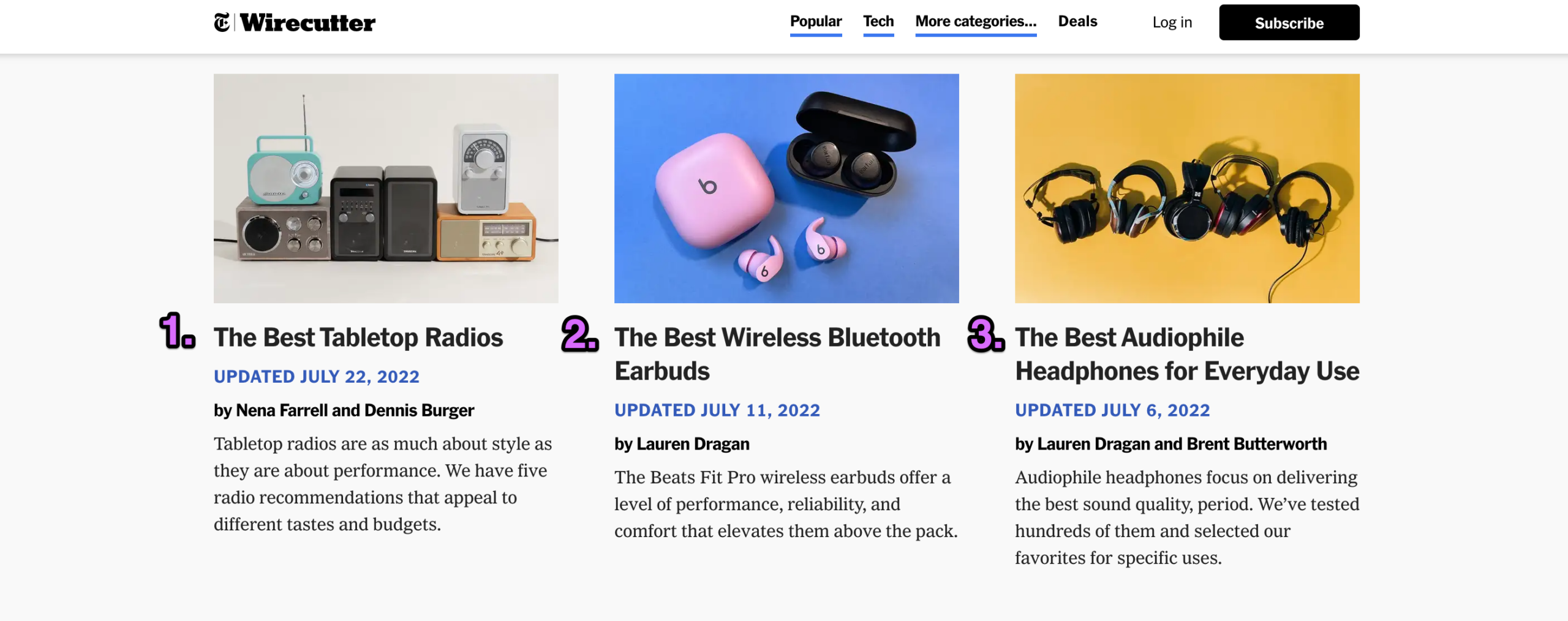
Roundups work in any niche when you target
Unlike single-product reviews, roundups include multiple affiliate links. More relevant options means more chances someone clicks. Focus each list on a specific need so purchase intent stays high.
3. Product Comparisons
Comparison content pits two or more products against each other. A reader searching “Samsung S21 vs iPhone 12” has already narrowed their choice. A thoughtful comparison nudges them toward one option.
Compare that to “how to transfer data from iPhone to Samsung.” The comparison searcher is much closer to buying.
Side-by-side spec tables are where comparisons shine. Readers scan features at a glance and trust you more when you highlight what matters to them, not just what the brand’s marketing page lists. Read consumer reviews to find the criteria your audience cares about, then build your table around those points.
You do not have to limit comparisons to two products. Adding a third or fourth option signals impartiality and gives readers more paths to click.
4. How-To Guides
How-to guides and tutorials are the source of our highest-converting affiliate traffic. That surprises people. Tutorials feel like informational content, and informational content is supposed to feed
Our top affiliates write how-to content where the affiliate product is essential to the process. “How to manage affiliate links” or “how to insert Amazon links into WordPress posts” naturally positions Lasso as part of the workflow.
You can apply this in any niche. A gardening blog writing “how to grow organic tomatoes” can make organic fertilizer a required step and link to a brand they trust.
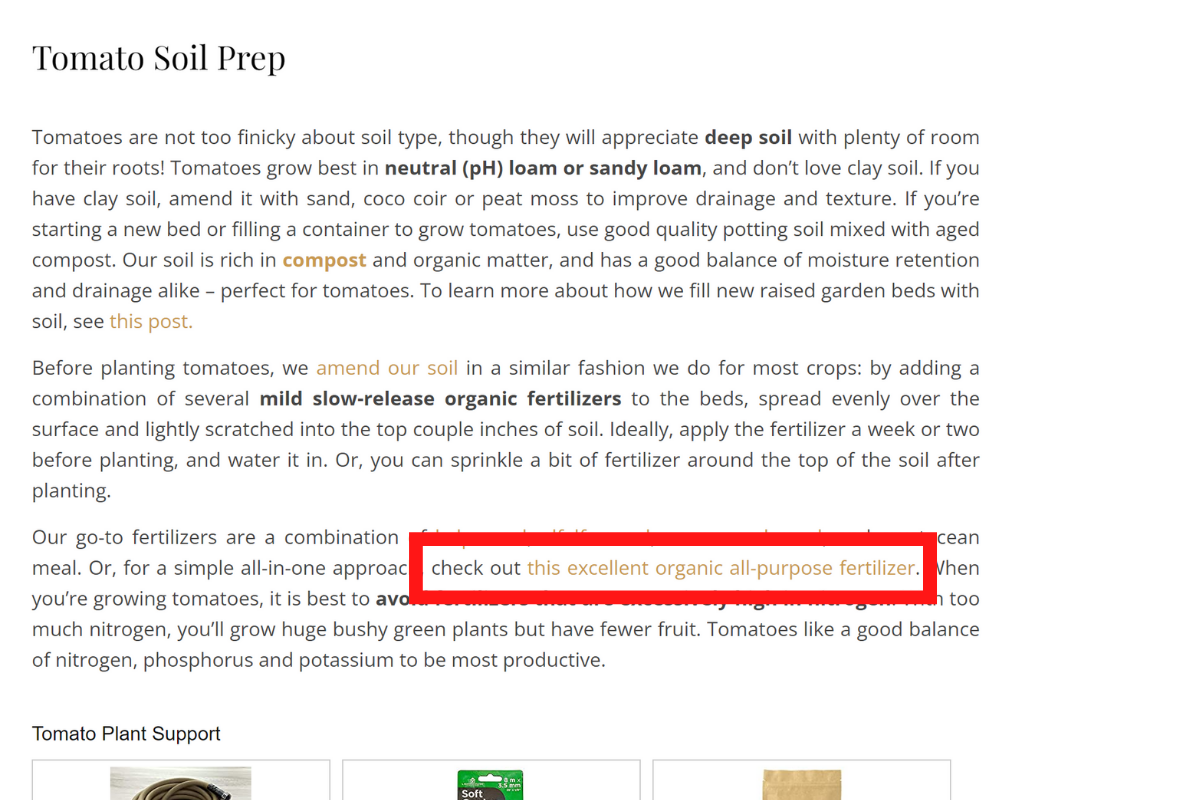
How-to guides also target long-tail keywords with lower competition. That makes them one of the most underused paths to targeted affiliate traffic.
5. Resource Pages
As you build authority, your audience wants to know what tools you actually use. Resource pages answer that question and
Our affiliates in blogging, affiliate marketing, and side-hustle niches all maintain recommendation pages their readers bookmark. A SCUBA site might publish a “recommended gear” page covering respirators, fins, and wetsuits. One page, many affiliate links, ongoing traffic.
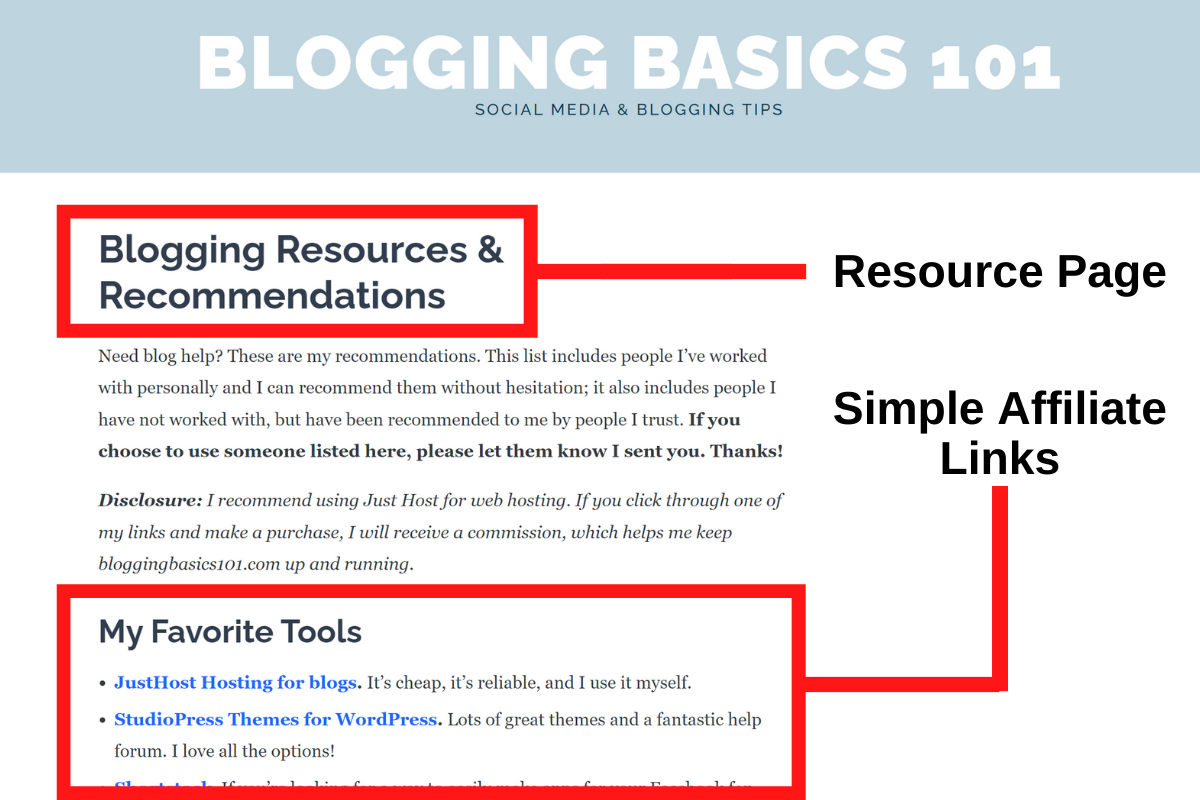
Not every reader will recognize a product name on your list. Add a secondary CTA linking to your full review or tutorial so they stay on your site instead of opening a new tab to Google the product. That keeps them in your funnel as they move from problem-aware to solution-aware.
6. Email Marketing
Your email list is owned audience. Social platforms can lock you out. Search rankings shift. Subscribers who opted in are yours to reach.
As long as your emails deliver value, affiliate links belong there. Check program terms first. Amazon, for example, does not allow affiliate links in email. Link to your blog post or resource page instead and place the affiliate link on that page.
The stat that gets tossed around: you make $40 for every $1 spent on email marketing. Whether that exact ratio holds for your niche, the principle is sound. Ignoring your list leaves
Build campaigns around specific products, add links to useful sequences, or create a free email course that naturally includes your recommendations.
7. Social Media
Social lets you borrow another platform’s traffic while you build your own. Find where your audience congregates, participate consistently, and share content that earns trust.
The feedback loop is the real advantage. A blog post can take months to rank. A social post tells you in hours whether a topic resonates. When something gets shared hundreds of times, that is a signal to expand it into a long-form article, newsletter, or video.
Repurpose your highest-engagement posts across formats. Consistent presence builds the kind of engagement that makes readers more likely to click when you share an affiliate link.
8. Ebooks
When a blog post cannot go deep enough, an ebook can. Long-form guides let you embed affiliate links throughout while solving a specific problem start to finish.
Readers who download an ebook have already raised their hand. That intent usually translates to higher click and conversion rates on the products you recommend inside the guide. Repurpose strong ebooks into online courses for a second revenue layer.
9. Videos
Video builds brand and trust faster than text alone. YouTube is the obvious starting point, but TikTok, Instagram, and Facebook matter in niches where your audience actually spends time.
The production barrier stops many publishers. Fair. But creators who invest in decent equipment and clear tutorials earn affiliate revenue from description links and pinned comments.
Pat Flynn’s beginner podcasting tutorial is a classic example. Scroll past the timestamps and you find affiliate product recommendations tied directly to the gear he discusses on camera.
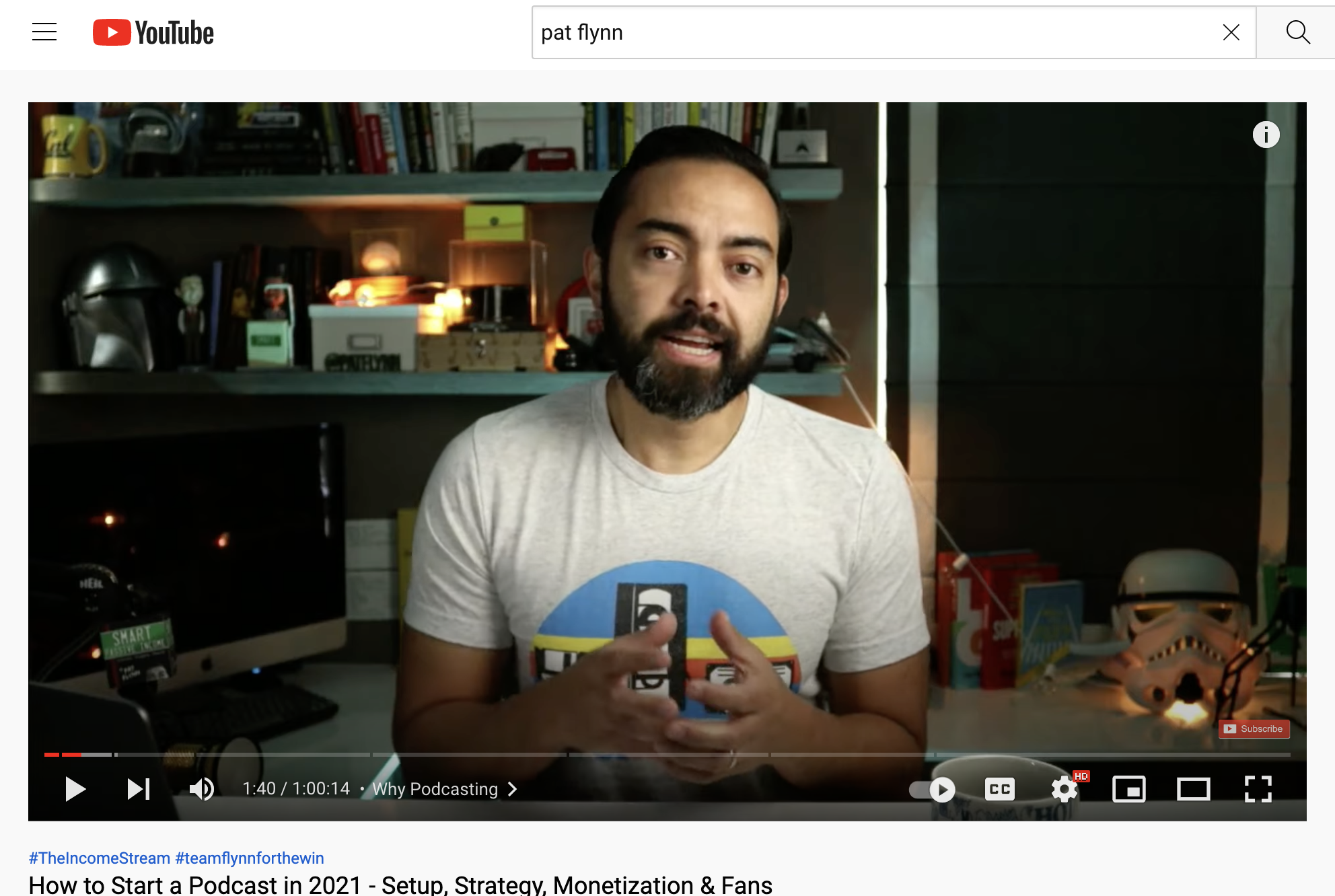
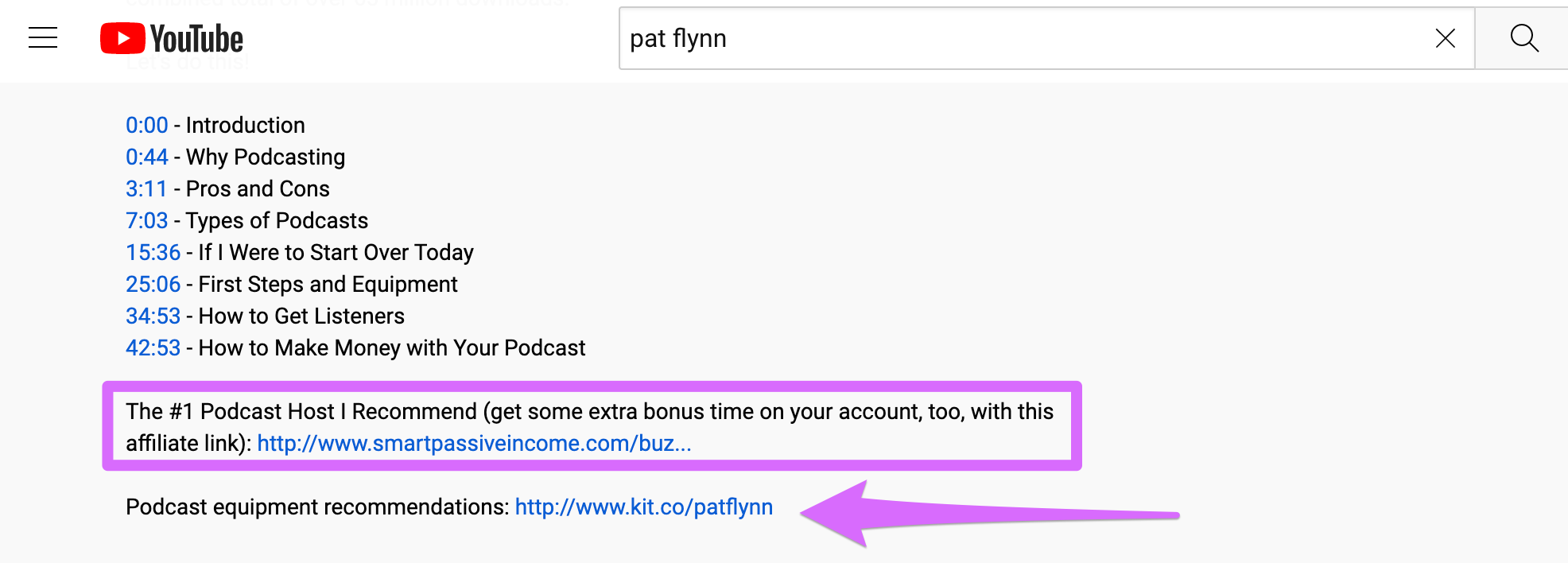
For platform-specific tactics, read our guide on YouTube affiliate marketing. The core rule across every format: be helpful, answer real questions, and recommend products that deliver on the promise you make.
3How to Optimize Content You Already Have
High traffic with low conversions usually means your existing pages need work, not more publishing volume.
Increase product mentions per page
On average, the how-to guides and resource pages that send us the most traffic mention Lasso by name four to seven times. Dedicated review pages average around thirty-five mentions. Repetition establishes the product as the solution, not a footnote.
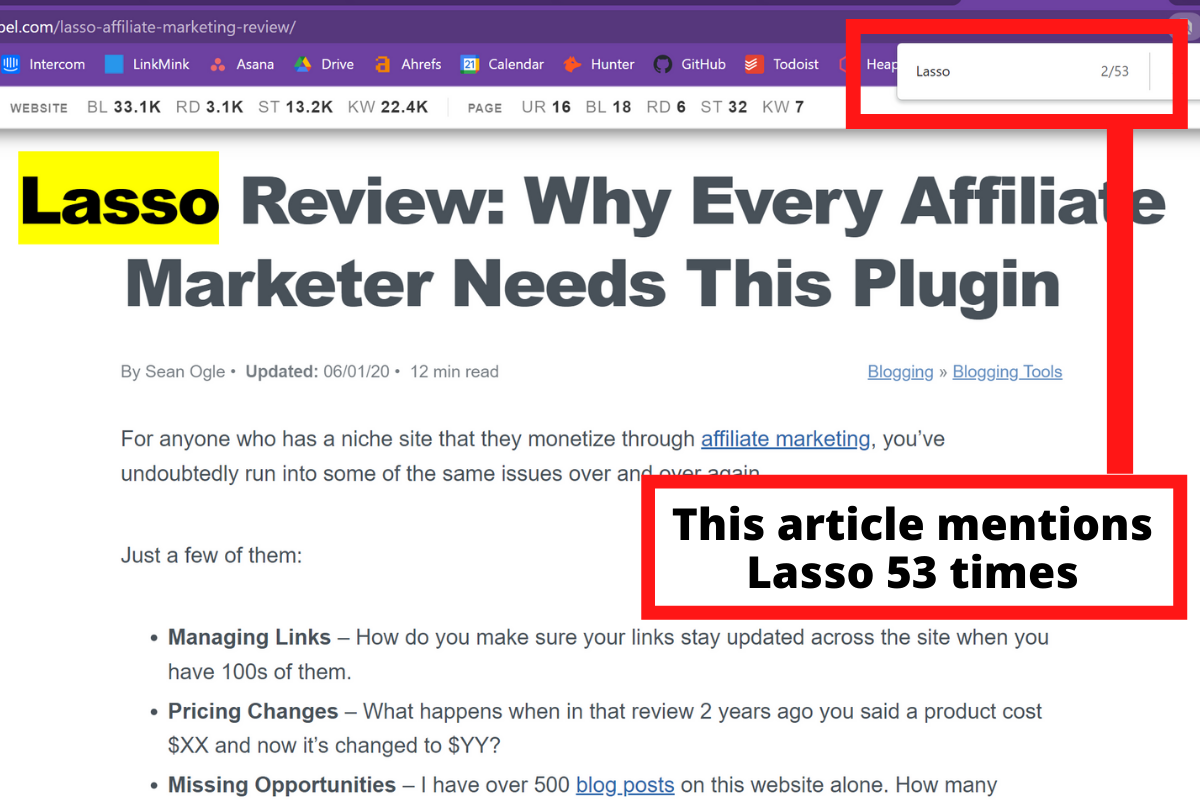
There is an old advertising rule: mention a brand seven times before it sticks. Digital content follows a similar pattern. If your resource page recommends a chef’s knife once, expand the description and name the brand throughout the page. Same for how-to guides. You will likely see a lift.
Use eye-catching affiliate link placements
If your site exists to earn affiliate revenue, every element should support that goal. Product displays work because they give readers an image, a price, and a clear action. At Lasso, we have shown displays increase conversions up to 30%.
Lasso: The All-In-One WordPress Plugin for Affiliate Marketing
A WordPress plugin that lets you add, manage, and display your affiliate links from any program, including Amazon. Increase conversions. Find new affiliate link opportunities. Earn more revenue! Less than 5 minutes to set up.
A few rules that hold regardless of tool:
- Contrast your CTA buttons. If your site is blue, make buy buttons red or orange. Our CTAs are green against a purple brand palette.
- Use product images. Displays with images can triple affiliate revenue compared to bare text links.
- Give readers options. Secondary CTAs, product grids, and alternative recommendations build trust. Choice signals you are helping them decide, not pushing one commission.
For link placement fundamentals, see our guide on how affiliate links work and earn money.
Match search intent on every page
Before writing new content or updating old posts, ask: what does someone want when they search this keyword? Most keywords are monetizable if you find the right angle.
Someone searching “how to run faster” wants form tips, breathing techniques, and training plans. They also need running shoes and maybe a heart-rate monitor. Both answers serve the same intent.
Use Ahrefs or similar tools to see what keywords a page already ranks for. Those terms tell you why people landed there and what affiliate offer fits the answer.
4Operator Tips That Compound Over Time
Build an audience you can reach repeatedly
Think about your readers the way a retail business thinks about repeat customers. No store survives on one-time visits. Write content that earns trust, then capture email subscribers so you can promote offers on a schedule.
Our most active affiliates maintain lists and routinely share new content that includes affiliate recommendations.
Publish multiple pages per product
Top affiliates rarely mention a product once. Most maintain an individual review, a resource page, a how-to guide, and a roundup that includes the product. That depth tells readers the recommendation is genuine, not a commission grab.
Recommend products you would stake your reputation on
Readers detect insincerity quickly. Promote offers you believe in and your conversion rate reflects that trust. Sometimes SEO forces you to include a popular option you would not personally choose. Fine. But write with conviction about the products you actually use.
Repeat what works
Successful affiliates often run variations of the same winning template: “how to start a travel blog,” “how to start a food blog,” “how to start a beauty blog.” Same structure, different niche angle, all ranking and converting. When one content type hits, keep publishing in that direction until it stops working.
5Put the Work In
Our inactive partners share one trait: they have not done the work. Join an affiliate program, never mention the product, and wonder why referrals are zero. That is not a platform problem. It is a content problem.
Publishing high-quality affiliate marketing content takes time. You can spend days on a post nobody reads. That is the risk. But if you focus on what your audience needs and match format to intent, something eventually sticks. In our experience, one blog post per week puts you ahead of most competition.
Run an Opportunities Scan on content you already published. Most operators find product mentions sitting unmonetized in posts that already rank. Fix those placements first, then build out the nine content types that match how your readers actually buy.
Ready to turn recommendations into revenue? Get started with Lasso today.

Gene Schleeter
Gene Schleeter is a husband, dog dad, avid anime fan, and Lasso's Growth Lead. He has a B.F.A in studio art, and taught himself digital marketing to fund his artistic pursuits. Now he's addicted to developing systems and building partnerships.