
Most affiliate operators treat images as decoration. They load manufacturer photos, grab a stock shot, and move on to the next paragraph. That is a conversion leak hiding in plain sight.
High-quality, unique images are not about making your site prettier. They are infrastructure for trust, engagement, and revenue. After nine years running affiliate sites and building Lasso, I have watched the same pattern repeat: publishers who invest in original imagery convert better, rank longer, and survive Google updates that wipe out copy-paste competitors.
Updated 2026.
1Why Images Matter More Than Copy Alone
You have seconds to earn attention. On affiliate-style content, bounce rates can run as high as 90%. Words alone rarely hold someone on the page long enough to click a link.
Images do the work copy cannot. They break the ice, set tone, and communicate faster than a paragraph ever will. They speak every language. They trigger emotion before logic kicks in. They give readers a reason to scroll instead of back-buttoning to the SERP.
But “high quality” is no longer the bar. Google and your audience both want unique images now. That is especially true for affiliate marketers.
Google’s Review Updates reward proof that you have actual Experience with the product (capital E, on purpose). Readers notice when you have handled the thing you are recommending. Trust follows. Revenue follows trust.
Stock photos fail both tests. You might find something that looks fine. So did hundreds of other sites in your niche. Same boots. Same coffee maker. Same smiling person at a laptop. Your page becomes interchangeable.
Unique images solve three problems at once:
- SEO: Original, well-optimized images can rank in image search and signal fresh content to Google.
- Branding: Custom photos reflect your voice. They make your site memorable instead of generic.
- Trust: Your own images prove you did the work. That matters more every year as AI-generated content floods the web.
In a market where attention spans shrink and skepticism grows, images are one of the few assets that still cut through noise on first load.
2Images in Affiliate Marketing Specifically
Generic blog advice applies to affiliate sites. But affiliate operators face a harder version of the problem.
You are not just keeping people reading. You are asking them to click out, trust your judgment, and buy through your link. Imagery sits at the center of that transaction.
Here is why original photos matter more for affiliates:
- Differentiation: Unique images separate you from competitors recycling the same Amazon product shots.
- Credibility: Original photos signal you tested the product. That aligns with what Google wants from review content.
- Conversion: Engaging visuals keep readers on page long enough to reach your affiliate marketing conversion rate benchmarks.
- Search longevity: Original assets compound. They send traffic from image search for years.
For operators building at scale, this is not a nice-to-have. It is part of the content moat.
3Do Unique Images Help SEO?
Directly? Probably not much. Unique images are nowhere near as powerful as strong content, internal links, and backlinks.
Indirectly? Absolutely.
Images that add real value keep people on your page. They reduce bounce rate and increase time on site. Those behavioral signals matter. Google cannot measure trust directly, but it can measure whether people stick around after landing.
Think about a product review with manufacturer photos versus one with your own shots on a desk, in a bag, or next to a competitor. Same words. Different perceived effort. The page with original visuals reads like a real test. That perception changes how long people stay and whether they click through to buy.
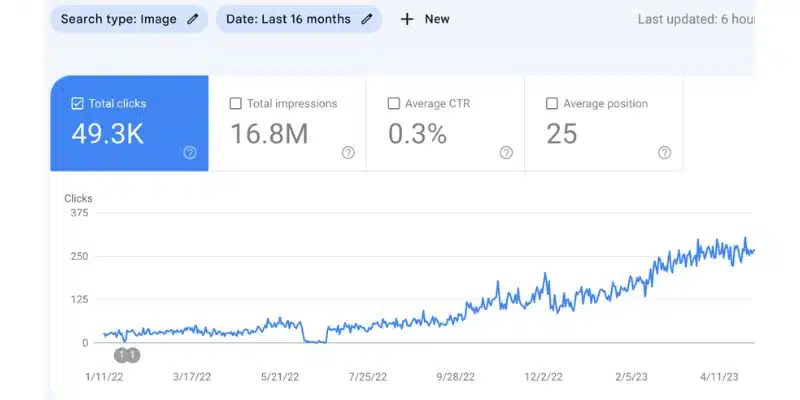
You can also rank the images themselves. One site in our portfolio pulls almost 300 clicks per day from Google Search to image results alone. That is free, compounding traffic from assets you created once.
The bigger win for affiliate operators, though, is conversion rate. That is where imagery pays rent.
4How Images Move Conversion Rates
This is not theory. The research backs it up.
The Nielsen Norman Group found that websites can elicit positive visceral responses by displaying aesthetically pleasing images. An MDG study reported that 67% of online shoppers rated high-quality images as “very important” to their purchase decision, ranking above long descriptions and even reviews in some cases. Market Tailor notes that original images help businesses build a more authentic presence and improve conversion outcomes.
Studies aside, the pattern is obvious in live data. Impactful, original images convert better. That is the whole point of affiliate content.
Why? Humans are visual decision-makers. We make snap judgments from what we see before we read the fine print. Online shopping removes touch and trial. Good images fill that gap. They give readers a virtual feel for the product and push them closer to the buy button.
Mobile makes this sharper. More than half of traffic on most sites comes from phones. On a small screen, a strong image often communicates faster than three paragraphs of specs.
Three mobile-specific factors:
- Screen real estate: Images carry the message when text feels cramped.
- Load time: Optimized high-res images load fast enough to keep impatient visitors.
- Responsive layout: Well-sized images scale cleanly across devices without breaking the reading flow.
If you want better conversions, invest in imagery the same way you invest in keyword research and link placement. Your audience and your earnings per click will reflect it.
We have seen this across sites in our portfolio. Pages that pair original photos with strong product displays consistently outperform text-only placements on the same URL. The image is not doing all the work alone. It is creating the visual stop that gets readers to the link in the first place.
5How to Choose and Create Effective Images
Knowing images matter and producing good ones are different problems. Here is a practical framework.
Choosing the Right Images
Three rules cover most decisions:
- Relevance: Match the product, brand, and audience. Hiking gear deserves trail context, not a random office desk.
- Quality: Blurry, poorly lit photos erode trust faster than no photo at all. Use resolution that looks professional on retina screens.
- Show, do not tell: Highlight features in use. Let the image answer questions your copy would otherwise need three sentences to explain.
Stock can work in a pinch. But if you are serious about differentiation, plan to shoot your own.
How to Take Better Images
Pulling out your phone and snapping randomly is not enough. Two techniques matter more than everything else combined.
Lighting. Avoid flat front lighting. Backlight your subject for a rim effect when you expose correctly. Side lighting adds drama and depth. Either approach beats the overhead fluorescent look that screams “I did not try.”
Bokeh. Keep the background soft and out of focus. That blur (the aesthetic quality of out-of-focus areas) directs attention to the product. Your subject pops. The frame feels intentional instead of cluttered.
Master those two and you are already ahead of most affiliate sites.
If you want to level up further:
- Angles: Test multiple perspectives. The flattering view is rarely the obvious one.
- Stability: A cheap tripod eliminates the subtle blur that ruins phone photos.
- Editing: Adjust brightness, contrast, and sharpness lightly. Less is more. Over-processed photos look fake, which kills trust.
The goal is not portfolio photography. The goal is images that make your recommendations feel real.
6Three Image Types Every Affiliate Site Needs
Not all images serve the same job. Build a library across these three categories.
Product Images
These are the foundation. Single-product shots that put what you are reviewing front and center.
Amazon Associates lets you use manufacturer images if you load them correctly. Most affiliates do exactly that. Which means most affiliate pages look identical.
Shoot your own when you can. Keep the product separated from a clean background. Simplicity wins. One object, good light, sharp focus.
Pair strong product shots with clear conversion copywriting in your displays and body copy. The image opens the door. The words close the decision.
Lifestyle Images
Lifestyle shots show the product in context. Boots on feet in different outfits. A coffee maker mid-brew on a kitchen counter. A VPN app open on a laptop at a cafe.
Do not stop at “product in use.” Sell the feeling. Show what life looks like after the purchase. That vision is what moves someone from “interesting” to “I need this.”
Lifestyle images work especially well in roundup and comparison content. If you are building those formats, our guide on how to write product comparison posts covers where visuals fit in the structure.
Comparison Images
Side-by-side shots build trust fast. Show the product next to alternatives. Show size differences. Show wear after a month of use versus day one.
These do not need studio perfection. Authenticity beats polish here. Readers want proof you actually compared the options, not stock art implying you did.
Comparison images, lifestyle context, and clean product shots together cover the visual layer of a high-converting affiliate page.
7Legal and Ethical Basics
This section gets skipped too often. Do not skip it.
Copyright is simple: whoever creates the image owns it. Using someone else’s photo without permission creates legal risk. Always get permission or a license before publishing third-party work.
If you need an image you did not shoot, reach out to the copyright holder. Ask how they want credit. Sometimes a licensing fee applies. That cost beats a takedown notice or lawsuit.
On a tight budget and cannot shoot? Royalty-free libraries like Unsplash, Pixabay, and Pexels offer usable images. Read each site’s license terms. Credit is often appreciated even when not required.
The cleanest path: take your own photos. You own the asset, you control the story, and you never wonder whether you had rights.
8Where This Fits in Your Content Stack
Images are one layer in a system. They support strong affiliate marketing content formats: reviews, comparisons, tutorials, and roundups. They amplify displays, tables, and CTAs you already publish.
They also age well. Text goes stale when specs change. A photo of you holding the product does not. That durability matters as Google continues pushing experience signals and AI slop fills search results.
You do not need a full studio setup to start. A phone, window light, and ten minutes with the product beat another page recycling the same Amazon thumbnail. Batch your shoots when review units arrive. One afternoon of photography can supply visuals for a month of content if you plan angles and contexts upfront.
Looking forward, the operators who win will not be the ones with the prettiest themes. They will be the ones whose pages feel like a person tested something and showed you the proof. Images are how you communicate that proof at a glance.
If you already have posts ranking, start with what is under-optimized. Run an Opportunities Scan on your published content. Most operators find product mentions sitting in URLs that already get traffic without the visual and display treatment those pages deserve. Fixing those placements is often the fastest path to higher revenue without writing a single new article.

Jamie I.F.
Jamie heads up marketing at Lasso, runs a portfolio of niche sites, and tweets a lot about affiliate marketing and SEO.