
Product images are the fastest way to turn a recommendation into a click. Readers skim. They judge quality from what they see before they read your comparison table or pros-and-cons list. For Amazon affiliates, that visual layer is non-negotiable if you want conversion rates that match the traffic you already earned.
The short answer is yes. You can use Amazon product images on your affiliate website. But Amazon does not let you download photos from product pages and re-upload them to your server. You must be a registered Amazon Associate, pull images through approved Program Content (usually the Product Advertising API), and follow the Operating Agreement to the letter. Skip any of that and you risk account termination, not just a broken image on one post.
Updated 2026.
1Can You Use Amazon Product Images on an Affiliate Website?
Yes. Amazon explicitly allows affiliates to use product images when you participate in the Associates Program and comply with their terms.
The catch is how you get those images. You cannot right-click save from Amazon.com and drop the file into WordPress media library. You cannot hotlink random image URLs you copied from a product page. Amazon wants you to use Program Content they supply through official channels, which for most publishers means the Product Advertising API (PA API).
Here is what that means in practice:
- You must be an active Amazon Associate with a valid store ID (affiliate tag).
- Images must come from Program Content, not scraped from the live site.
- You typically get the main product image only. You do not pick alternate angles from the gallery.
- You may resize images proportionally. You may not alter them in ways that change meaning or imply Amazon endorsement.
- Images exist to promote products sold on Amazon. Using them to link elsewhere violates the agreement.
Amazon’s Operating Agreement puts it this way:
“In order to facilitate your advertisement of these items or services, we may make available to you data, images, text, link formats, widgets, links, marketing content, and other linking tools, application program interfaces, Alexa functionality, and other information in connection with the Associates Program (“Program Content”). Program Content specifically excludes any data, images, text, or other information or content relating to product offerings on any site other than the Amazon Site.”
The Associates Program Policies add a narrower rule on modification:
“You will not add to, delete from, or otherwise alter any Program Content in any way, including by adding additional information, except that you may resize Program Content consisting of a graphic image in a manner that maintains the original proportions of the image or truncate Program Content consisting of text in a manner that does not materially alter the meaning of the text or cause the text to become factually incorrect, or misleading.”
For operators running the Amazon affiliate program at scale, this is infrastructure policy, not a formatting preference. Amazon controls the pipe because they control liability. If affiliates could swap in custom photos while linking to different SKUs, trust in the marketplace erodes fast.
Excluded Products That You Cannot Use Images Of
Not every product on Amazon.com is eligible for the Associates Program. You cannot use Program Content images for excluded categories even if the product page loads fine in your browser.
Amazon lists exclusions including:
“(a) any product or service sold on a site linked to from an Amazon Site (for example, a product or service listed through our “Product Ads” program or sold on a site linked to from a banner ad, sponsored link, or other link displayed on an Amazon Site),
(b) any alcoholic beverage advertised on your Site if you are a United States business holding a license to manufacture, wholesale, or distribute any alcoholic beverages, or if your Site is operating on behalf of, such a business,
(c) prescription drugs, or any other product sold by Amazon Pharmacy,
(d) any product or service which has been excluded by a third party seller or vendor. You will receive an alert if a product or service is excluded when attempting to link using the tools we make available in Associates Central.”
When you attempt to link through Associates Central or the PA API, Amazon will flag excluded products. Treat that alert as final. Building a post around an image you are not allowed to syndicate is wasted production time.
2Why Amazon Is So Strict With Product Images
The strictness is not arbitrary. Amazon runs a marketplace where the product photo is often the primary trust signal. They enforce image standards on sellers (85% product fill, minimum dimensions, approved file types) because bad photos create bad purchases and bad returns.
Affiliate images sit in the same ecosystem. By requiring API-sourced Program Content, Amazon ensures:
- The image matches the ASIN you are linking to.
- Pricing and availability stay tied to live catalog data when you use compliant embeds.
- Affiliates cannot bait-and-switch (show a premium photo, link a cheap substitute).
That last point is why so many bloggers think Amazon bans images entirely. They tried the shortcut (download, re-upload, manual hotlink) and got conflicting advice in Facebook groups. The ban is on the method, not on visuals themselves.
For operators, the implication is clear: compliant image infrastructure is part of your monetization stack, same as disclosures and link tracking. When Amazon terminated SiteStripe image embeds in late 2023, thousands of publishers learned this the hard way. Broken iframes on ranking URLs do not just look sloppy. They kill click confidence on pages that still bring in organic traffic.
Using API-backed images also aligns with conversion reality. Amazon’s seller-side image rules exist because clean, consistent product shots sell. Your affiliate placements inherit that same visual language when you pull official Program Content instead of mismatched stock photos.
3How to Add Amazon Product Images to Your Site
Once you understand the rules, implementation is straightforward. You have two paths: manual PA API work through Amazon’s Scratchpad, or a WordPress tool that handles API calls and display markup for you.
Both paths require an Associates account. Both pull Program Content rather than scraped assets. The difference is time and ongoing maintenance.
The Hard Way: Add Amazon Images With Product Advertising API Scratchpad
Since Amazon shut down SiteStripe image embeds for blogs, the PA API is the manual route most publishers use when they are not on a plugin workflow yet.
Here is the full Scratchpad process.
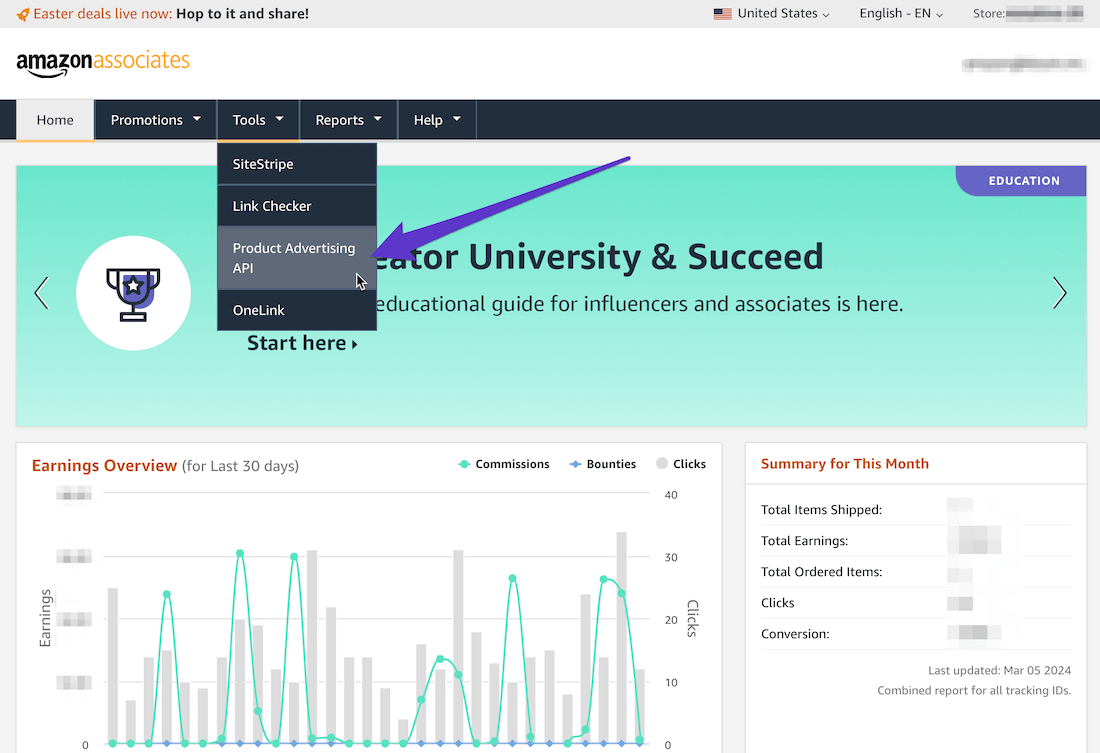
First, log into Amazon Associates and open Tools, then Product Advertising API:
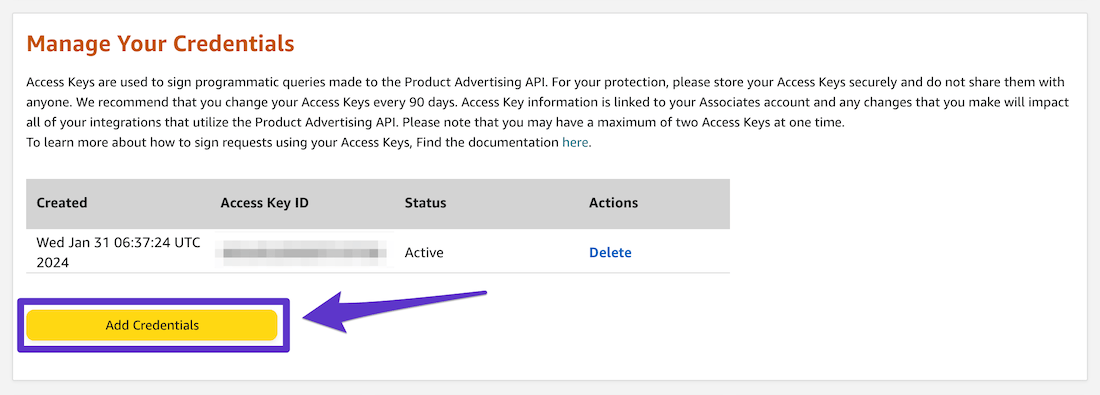
Scroll to Manage Your Credentials. If you do not have keys yet, click Add Credentials:
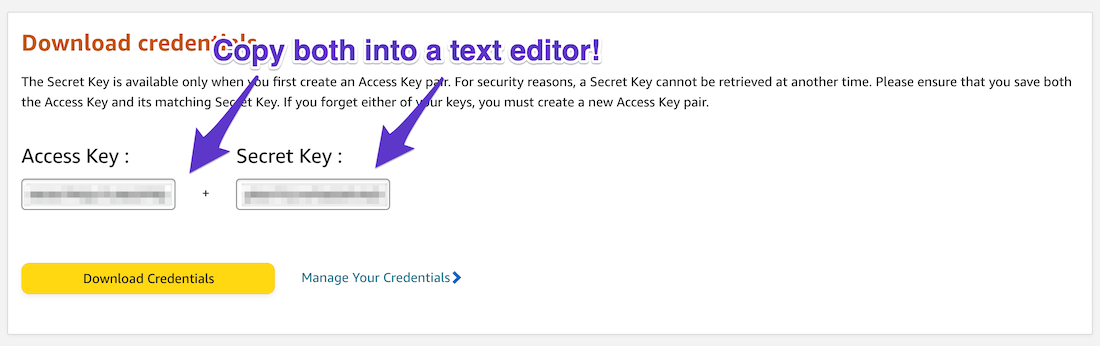
Amazon generates an Access Key and Secret Key. Copy both somewhere secure, at least for this session:
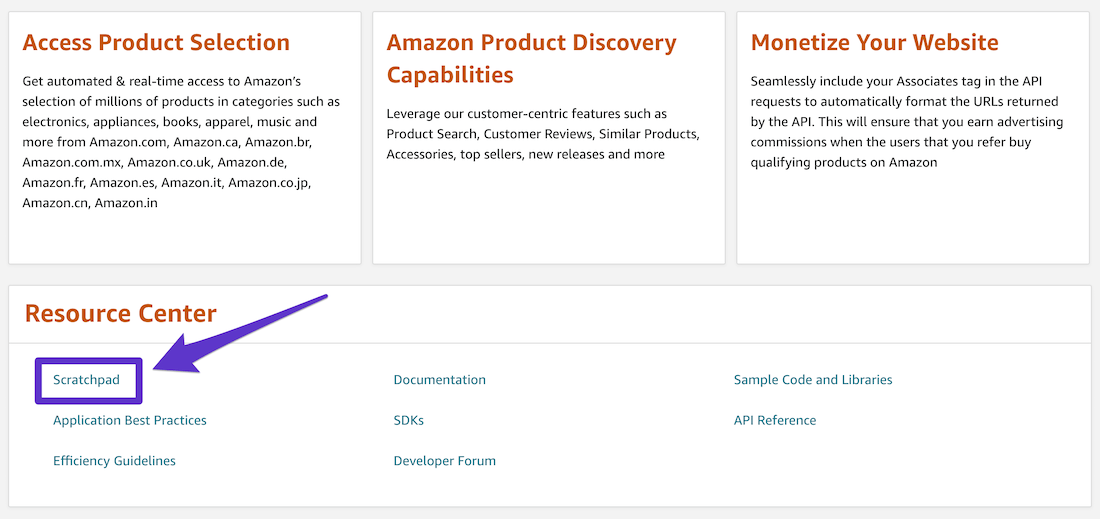
In the Resource Center section, open Scratchpad:
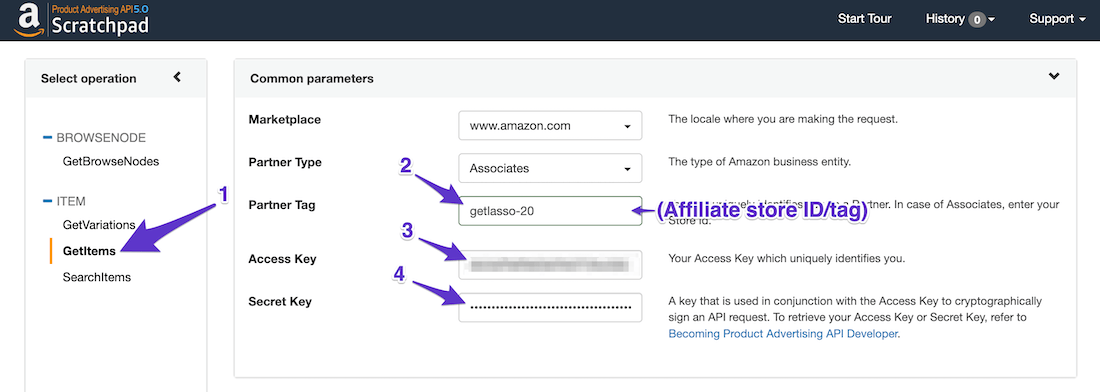
Inside Scratchpad, navigate to ITEM, then GetItems. Enter your Associates store ID (Partner Tag), Access Key, and Secret Key:
Next, find the product you want on Amazon.com. Scroll to Product Information and copy the ASIN:
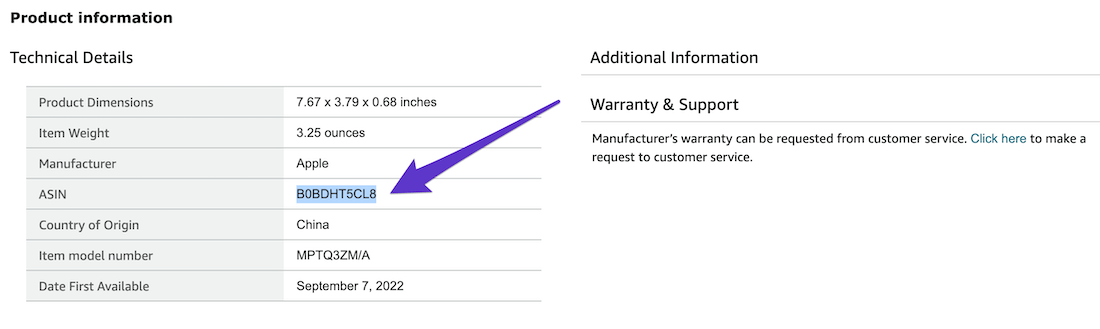
You can also grab the ASIN from the URL. Example:
https://www.amazon.com/Apple-iPhone-Silicone-Case-MagSafe/dp/B0BDHT5CL8/
Back in Scratchpad, enter the ASIN in ItemIds under GetItems. Select the image Resources you need (one size is enough for testing):
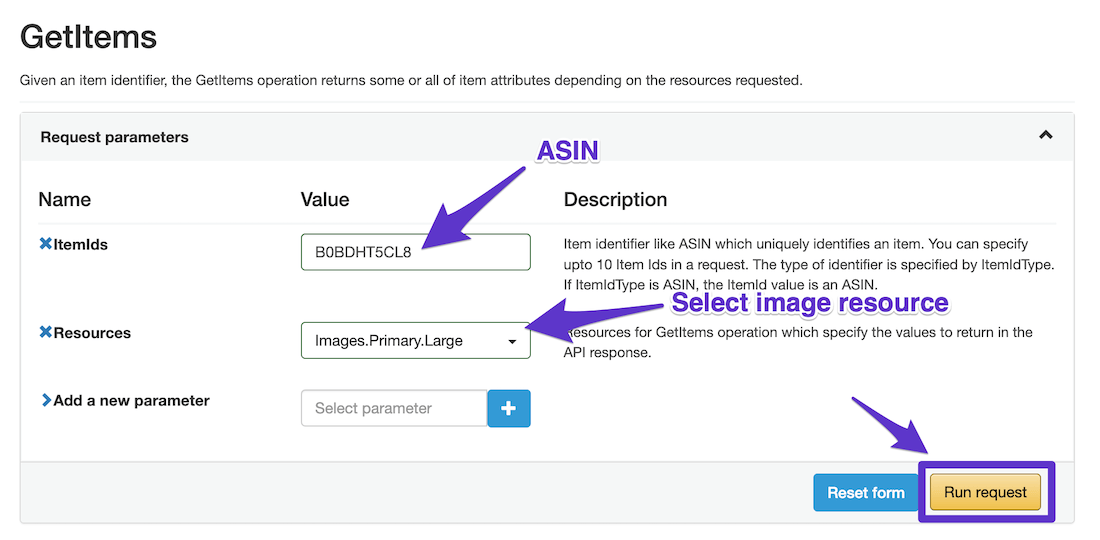
Click Run request. Scratchpad scrolls to the Response section with a rendered preview:
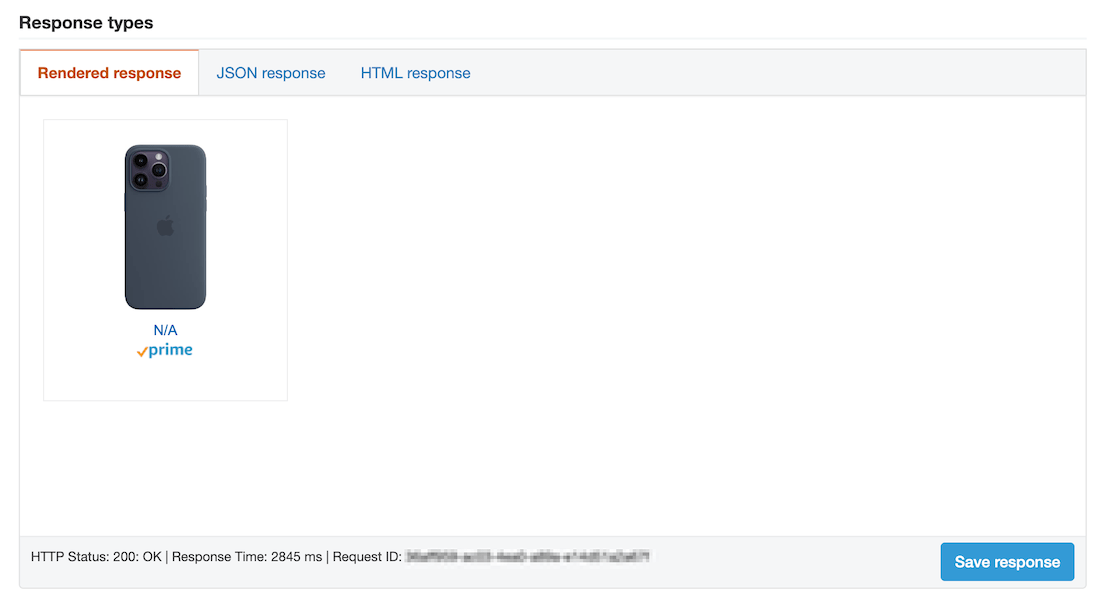
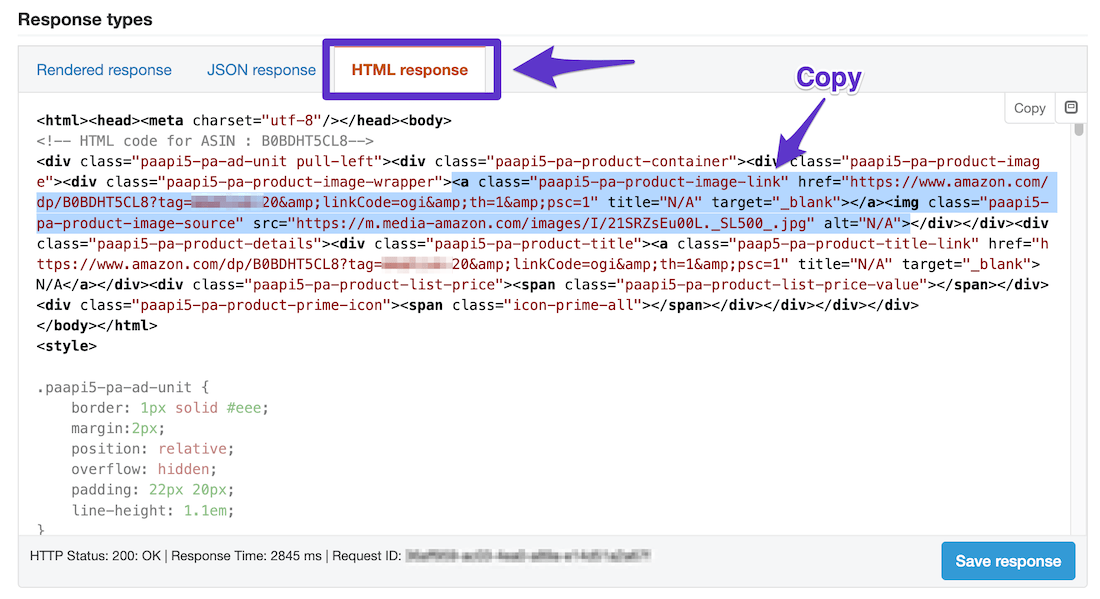
The rendered view wraps the image in extra markup. Switch to the HTML response tab and copy only the first <a> and <img> tags you need:
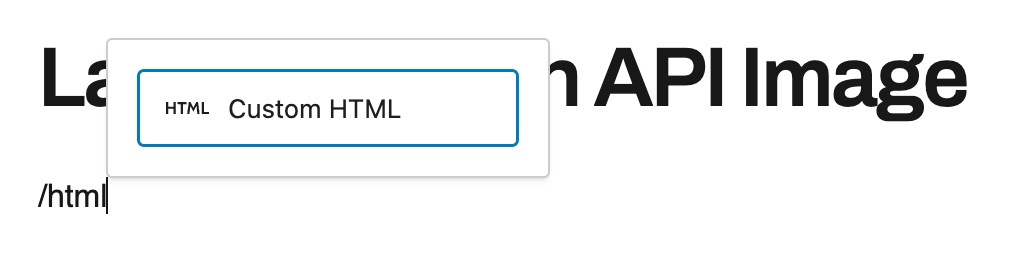
In WordPress, add a Custom HTML block to your post:
Paste the code from Scratchpad:
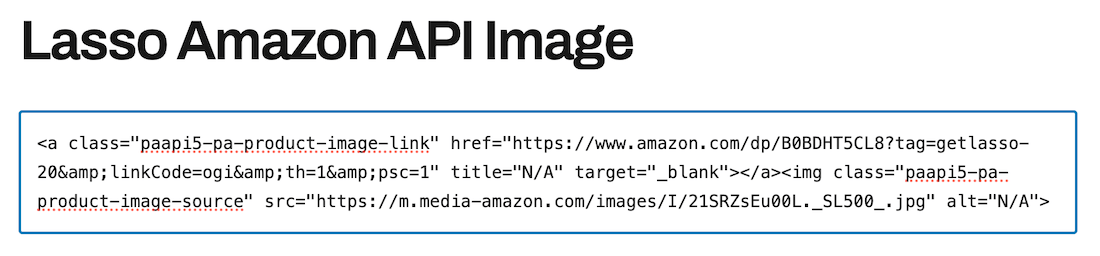
That gives you a compliant image on the page. But notice the friction. Every new product means a new API call, new HTML, and a manual edit. If you need the entire image clickable, you may have to adjust the markup yourself. Scratchpad output does not always wrap the full image in a single affiliate link anymore.
For one-off tests, Scratchpad works. For a site with hundreds of product mentions, it does not scale. That is where tooling enters the picture.
The Easy Way: Add Amazon Images With Lasso
We built Lasso because affiliate operators should not spend an afternoon in Scratchpad every time they publish a comparison post. Paste an Amazon product URL into Lasso and the plugin pulls title, price, and Program Content images through compliant API paths. Add your PA API keys if you want faster direct calls. Lasso also ships its own API layer so you can start without configuring keys on day one.
For image-only placements, insert a Lasso block in the WordPress editor, choose the Image display type, and select your product:

Image displays are the lightweight option. Full product Displays add descriptions, pricing, pros and cons, badges, and secondary CTAs when you want more context around the same ASIN.
The operational win is inventory. Lasso tracks every placement across your site. Swap a product, update copy, or refresh a display once in the dashboard and the change propagates everywhere that ASIN appears. That is the infrastructure layer publishers need when Amazon changes rules or when a product goes out of stock mid-quarter.
Lasso: The All-In-One WordPress Plugin for Affiliate Marketing
A WordPress plugin that lets you add, manage, and display your affiliate links from any program, including Amazon. Increase conversions. Find new affiliate link opportunities. Earn more revenue! Less than 5 minutes to set up.

If you want a broader look at how Lasso handles Amazon workflows beyond single images, our Amazon affiliate WordPress plugin guide covers displays, link inventory, and day-to-day operations.
4Other Options for Affiliate Product Images
Scratchpad, Lasso, or any PA API-compliant tool covers the Amazon-specific requirement. But operators often ask about alternatives.
Your own photos. Google and readers both reward original imagery, especially in review content. Shooting your own product photos builds trust and can improve SEO through unique assets. Our post on images in affiliate marketing breaks down why original visuals compound over time. Just remember: if you use your photo as the visual but link through Amazon with an affiliate tag, you still need compliant link treatment. Your custom photo does not replace Program Content rules for Amazon-sourced embeds when you are using Amazon’s catalog images elsewhere on the same placement.
Download and re-upload. This violates Amazon’s terms. Same for hotlinking image URLs you copied manually from product pages. Associates have lost accounts over this. It is not a gray area.
Mixing Amazon images with non-Amazon links. Program Content images may promote Amazon catalog products only. You cannot use Amazon-supplied product photos to link to another retailer or affiliate network.
Original photography plus Amazon text links. A common compliant pattern: your own hero image for trust and SEO, plus a Lasso display or text link for the Amazon offer. That gives you differentiation without fighting Program Content rules.
The strategic takeaway: treat Amazon images as one channel in a broader visual system. Rely on API-backed Program Content for Amazon placements. Invest in original photos where they strengthen E-E-A-T and conversion on review-style content.
5Amazon Affiliate Product Image FAQs
Can I use Amazon SiteStripe to place product images on my blog?
No. Amazon ended SiteStripe Image and Text+Image embeds. Those source links stopped working after December 2023. Standard SiteStripe text links still function, but image embeds from the old workflow are dead. Migrate to PA API-backed displays. Lasso includes a bulk SiteStripe import if you still have legacy embeds scattered across your archive.
Can I use any Amazon product image on my niche site?
No. You may only use images Amazon delivers as Program Content through approved tools like the PA API. Pulling alternate gallery shots or lifestyle images directly from the product page is not compliant, even if the ASIN matches.
Can you use Amazon photos for affiliate links?
Yes, when the image comes from Program Content and the link points to the matching Amazon product. You cannot use Amazon photos to link to other affiliate programs or retailers.
How do I get product images from Amazon’s website?
Through the Product Advertising API after you join the Associates Program. Configure credentials in Associates Central, query by ASIN, and use the returned image URLs in compliant markup. Tools like Lasso automate that query and output WordPress-ready displays.
Can affiliates modify Amazon product images?
No material modifications. You cannot add badges, watermarks, or text overlays that imply Amazon endorsement. Proportional resize is allowed. Changing aspect ratio in a way that misrepresents the product is not.
Do I need to disclose that I am using Amazon product images on my site?
You do not need a separate disclosure specifically for Amazon’s photos. You do need a clear affiliate disclosure when you monetize with Amazon links. The FTC requires readers to understand you earn commissions. Place disclosures near monetized content. Lasso can append disclosure text to displays automatically.
Can I use Amazon product images on my e-commerce site?
Yes, if the images promote Amazon catalog products per Program Content rules and you do not confuse shoppers about what you sell versus what Amazon fulfills. Many store owners supplement catalog gaps with Amazon affiliate placements.
Can I use Amazon product images on my YouTube channel?
Often yes, but social platforms add complexity. YouTube thumbnails, mid-roll overlays, and description links each have their own policy layers on top of Amazon’s. When in doubt, contact Amazon Associates support and keep written confirmation. Always disclose affiliate relationships in video and description.
What should I do if Amazon changes its terms of service for images?
Monitor Associates Program Policy updates. Amazon announces material changes through Associates Central and email. When terms shift, audit your embed method first (API-backed versus legacy HTML). If you use Lasso, our team tracks Amazon policy changes so compliant displays stay current without manual rewrites across your archive.
6The Bottom Line for Affiliate Operators
Amazon product images are allowed on your affiliate site. The method matters more than the yes/no answer. Register as an Associate, pull Program Content through the PA API or a compliant WordPress tool, respect modification limits, and avoid excluded categories.
The publishers who struggle here are usually not ignoring the rules on purpose. They are using workflows from 2018 (manual downloads, SiteStripe iframes, hotlinked URLs) that Amazon has since deprecated. Updating that layer protects your account and fixes broken visuals on pages that still rank.
If your archive already monetizes Amazon but your image embeds predate the API requirement, start with inventory. See which URLs still carry legacy code, which placements convert, and where compliant displays would recover lost clicks. An Opportunities Scan on your site surfaces under-monetized content fast. That is usually the highest-leverage first step before you rewrite a single paragraph.
Compliant images are not a creative limitation. They are part of the same infrastructure as link tracking, disclosures, and display testing. Get the pipe right and your content keeps earning when Amazon moves the goalposts again.

Gene Schleeter
Gene Schleeter is a husband, dog dad, avid anime fan, and Lasso's Growth Lead. He has a B.F.A in studio art, and taught himself digital marketing to fund his artistic pursuits. Now he's addicted to developing systems and building partnerships.